Last Updated: August 10, 2026
Coping Strategies for Intended Parents Throughout Your Journey
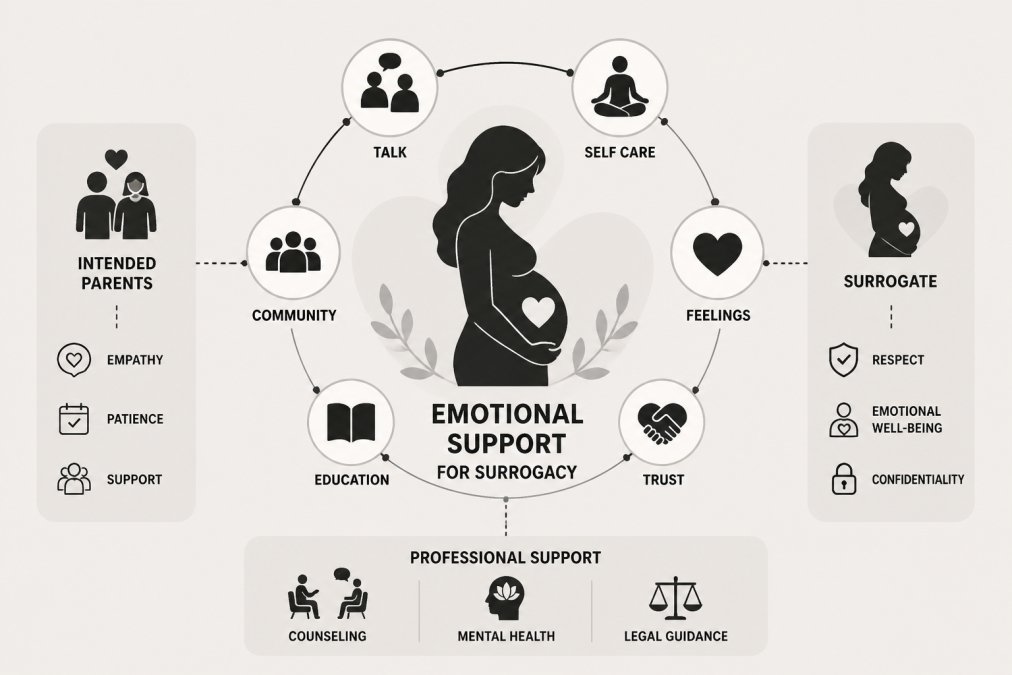
Healthy coping requires self-care and relationship support. Practice mindfulness to reduce anxiety, and have weekly check-ins with your partner to discuss feelings. Professional counseling from a therapist experienced in surrogacy helps you process complex emotions. Exercise, creative hobbies, and time in nature manage emotional highs and lows.
Building Your Support Network and Surrogacy Support Groups
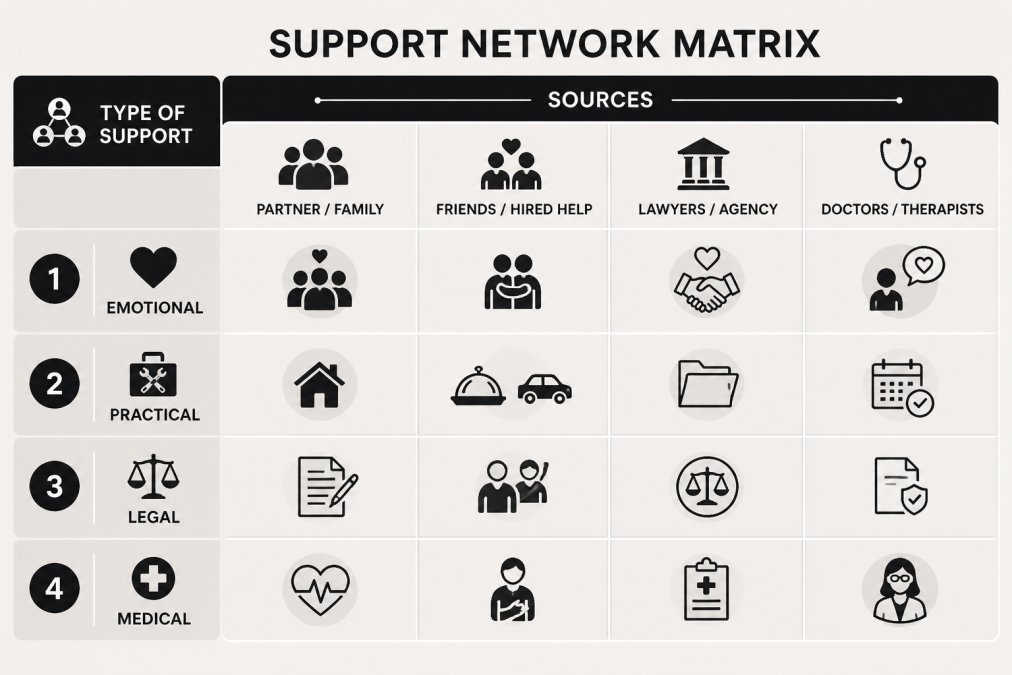
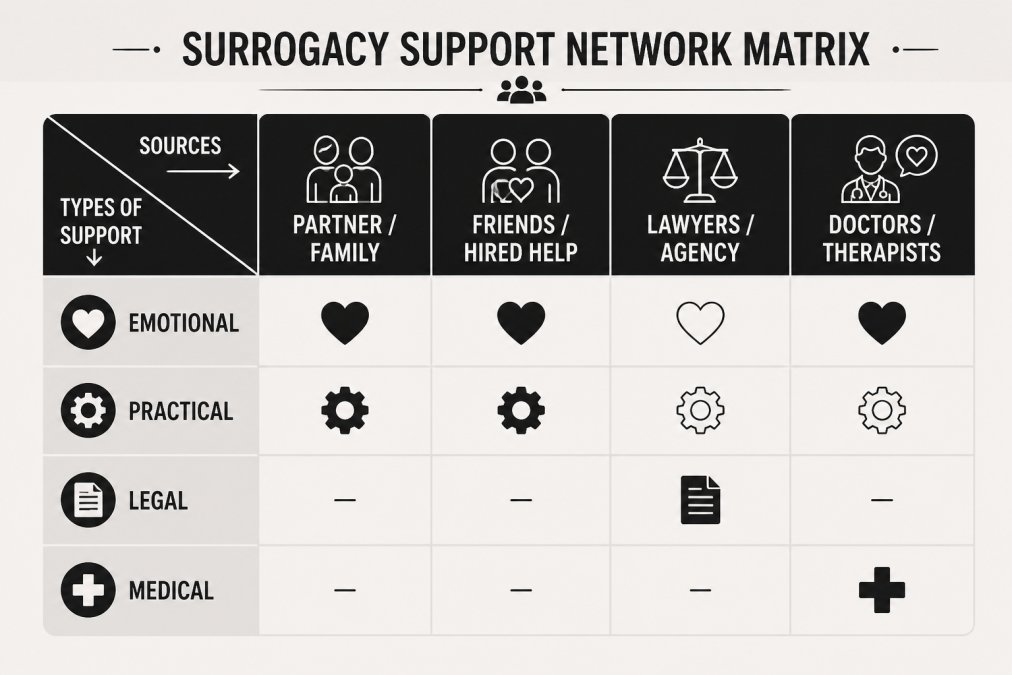
A strong support network is essential. Your system should include emotional support (partner, family, therapists), practical support (friends or hired help), and medical support (healthcare professionals). Support groups for Intended Parents provide connection with others in your exact situation. Regular check-ins with your surrogate, consistent gratitude, and respect for her boundaries create a healthier dynamic.
Many Intended Parents experience overwhelming joy mixed with guilt about the surrogate’s experience and anxiety about bonding. Professional counseling during this transition helps you process these emotions without judgment.
Herman Family Group provides comprehensive medical and emotional support throughout your entire surrogacy journey, from initial planning through birth and beyond. Taking your mental health seriously through counseling, support groups, and self-care is the foundation that allows you to fully experience the joy of becoming a parent.
This article was written using GrandRanker