Last Updated: August 28, 2026
Legal Requirements for International Surrogacy
International surrogacy requires navigating multiple legal systems, each with different rules about who can pursue surrogacy and how parental rights are established. Key requirements typically include a surrogacy agreement between Intended Parents and the gestational carrier, medical documentation proving biological connection and health clearances, psychological evaluation, a court petition for parental rights, and legal representation. Working with Herman Family Group ensures all documentation is prepared correctly and submitted on schedule.
Establishing Parentage in International Surrogacy
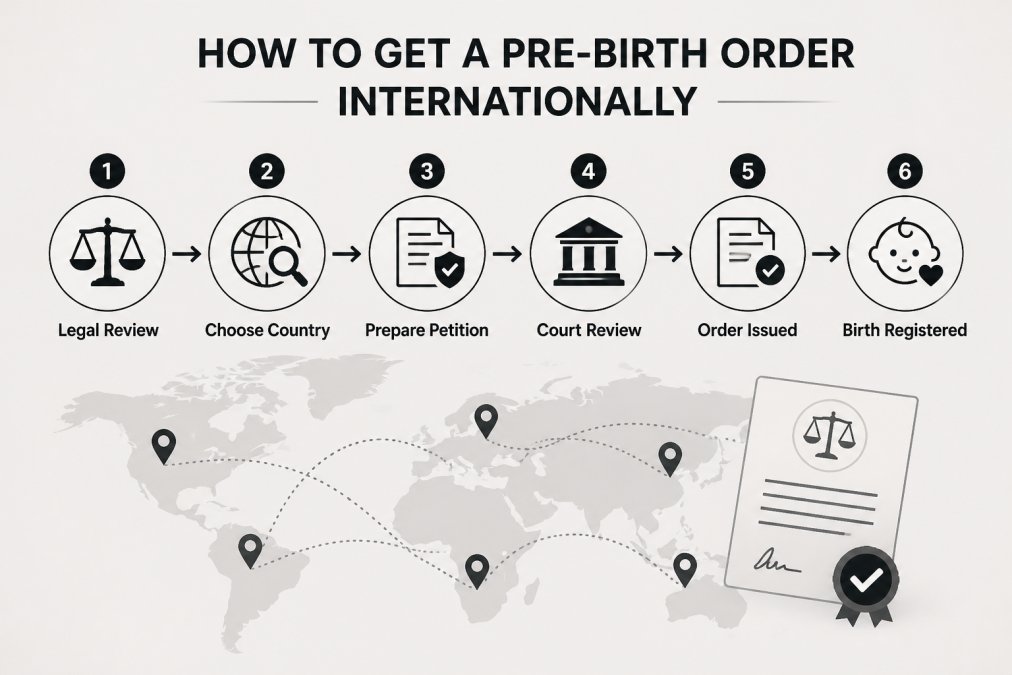
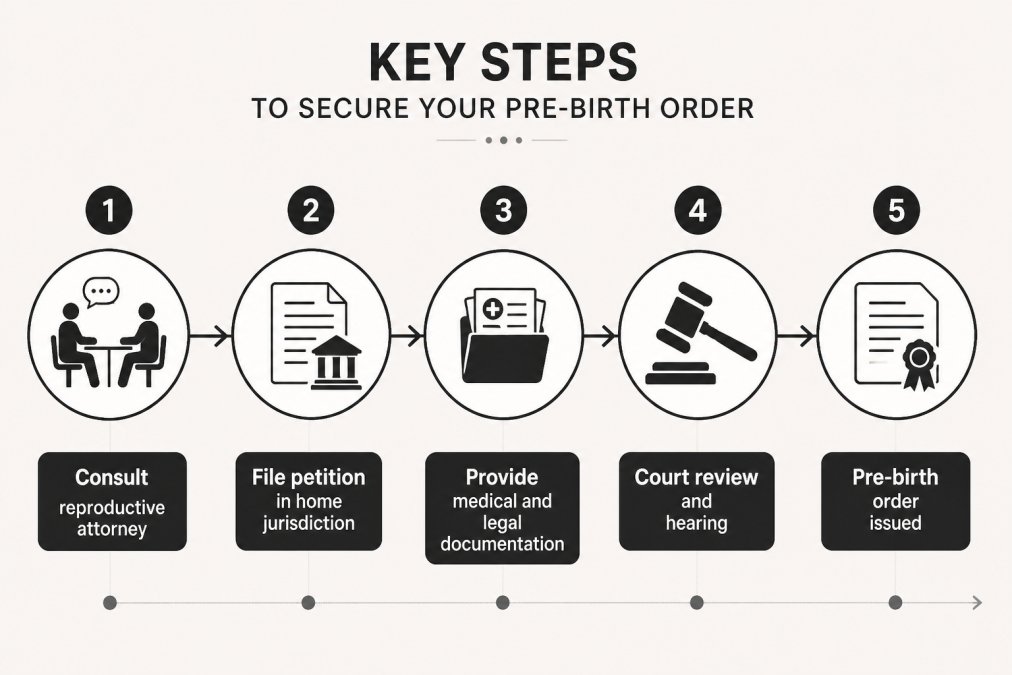
Establishing legal parentage is the foundation of international surrogacy. The process includes consulting a reproductive attorney in your home jurisdiction, filing a petition in the surrogacy destination country, submitting medical and legal documentation, attending a court hearing, and receiving the pre-birth order. After birth, you’ll register your child’s birth with authorities in both countries. This birth certificate forms the basis for passport and visa applications. Herman Family Group coordinates with legal counsel in each jurisdiction to ensure every step is completed correctly. (Source: guidance from the U.S. Department of State)
Building your family through international surrogacy requires expert legal guidance. Herman Family Group brings together reproductive attorneys, medical professionals, and family coordinators to manage the entire process from initial planning through birth and beyond. Create My Plan with our team today and take the first step toward bringing your child home.
This article was written using GrandRanker