Table of Contents
- What Ethical Surrogacy Planning and Coordination Means
- Understanding Surrogacy Ethics in Practice
- The Gestational Surrogacy Process: Key Coordination Steps
- Navigating the Surrogacy Legal Framework
Ethical Surrogacy Planning: A Practical Coordination Guide
Last Updated: July 31, 2026
Ethical surrogacy planning requires transparency, legal protection, and respect for everyone involved. Herman Family Group helps Intended Parents navigate this process with clear guidance and professional support.
What Ethical Surrogacy Planning and Coordination Means
Ethical surrogacy planning and coordination means creating a process where informed consent, legal clarity, and mutual respect guide every decision. This protects the gestational carrier, the Intended Parents, and ultimately the child.
The gestational carrier should understand her medical risks, her legal rights, and what support she’ll receive. Intended Parents need to know exactly what the process involves and what happens if complications arise. No one should feel coerced or exploited. The gestational carrier chooses this journey voluntarily, with full knowledge of what she’s signing up for.
Understanding Surrogacy Ethics in Practice
Ethics in surrogacy means following best practices that protect both the gestational carrier’s bodily integrity and the Intended Parents’ family-building goals.
Informed consent protocols are essential. The gestational carrier receives detailed information about medical procedures, potential health risks, and her role after birth. Intended Parents learn about legal risks in their home country and realistic timelines.
Psychological evaluation and support helps ensure everyone understands the emotional dimensions of surrogacy. A qualified mental health professional meets with the gestational carrier to confirm she’s emotionally prepared. Intended Parents also benefit from counseling to discuss expectations and concerns.
Transparency in financial arrangements removes hidden costs and prevents exploitation. All fees are documented clearly.
Reproductive autonomy means the gestational carrier maintains control over her body throughout pregnancy and is never pressured to continue a pregnancy against her wishes if serious complications arise.
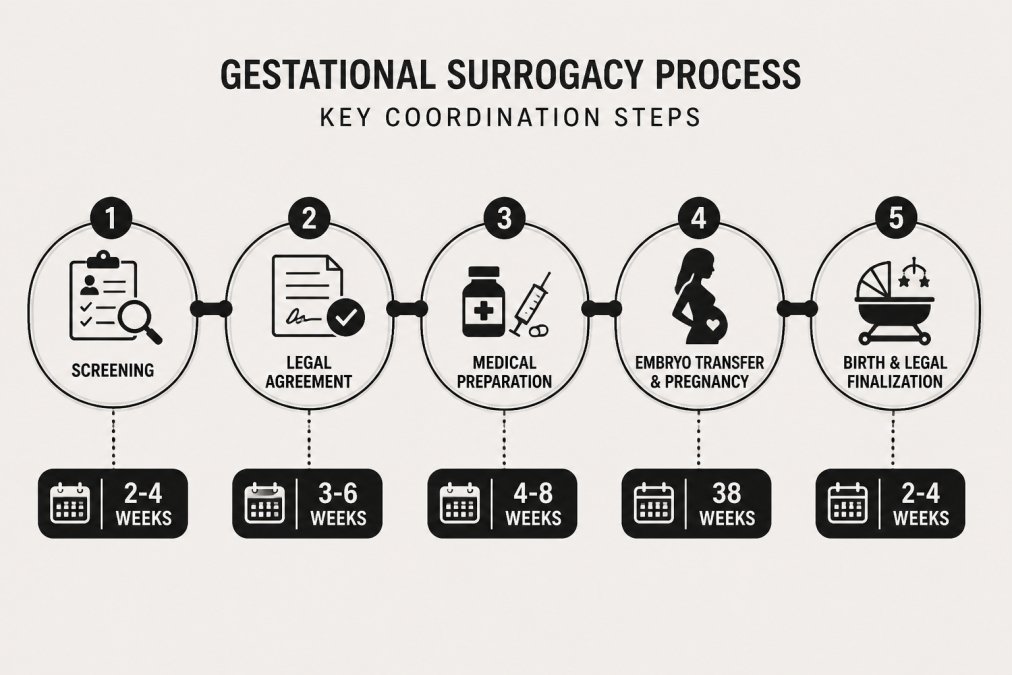
The Gestational Surrogacy Process: Key Coordination Steps
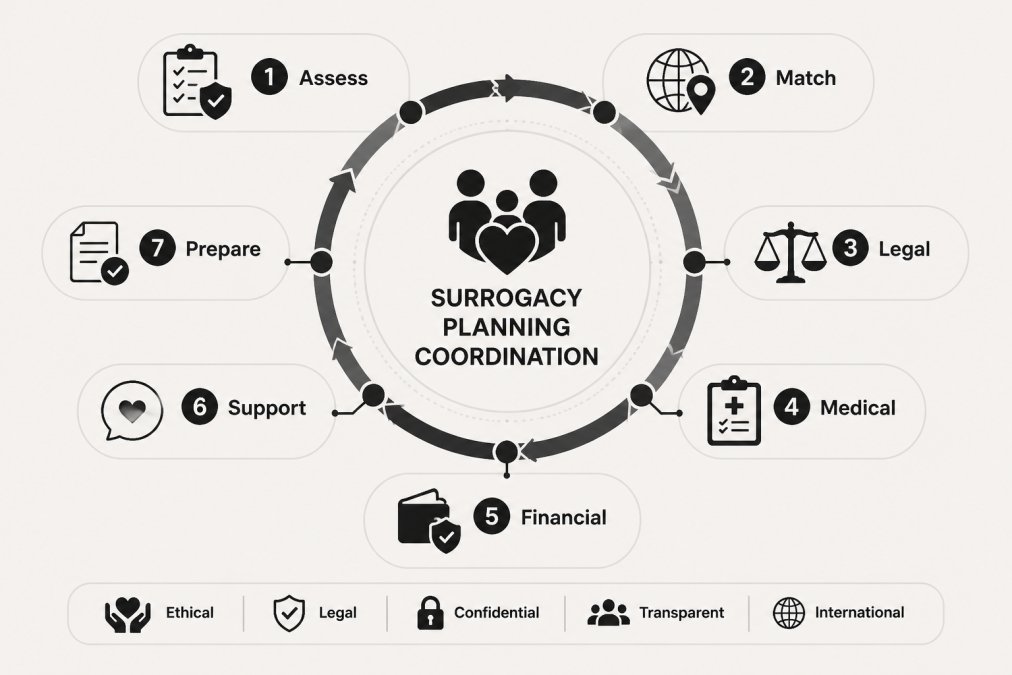
The gestational surrogacy process involves several phases, each with specific coordination needs.
Phase | Duration | Key Activities |
|---|---|---|
Initial screening and matching | 2-4 weeks | Medical and legal review, introduction between parties |
Legal agreement and documentation | 3-6 weeks | Lawyers draft and review surrogacy agreement, both parties sign |
Medical preparation | 4-8 weeks | Gestational carrier undergoes health screening, Intended Parents prepare medically |
Embryo transfer and early pregnancy | 2 weeks | Embryo created and transferred, pregnancy confirmed |
Pregnancy monitoring | 36 weeks | Regular medical appointments, ongoing communication |
Birth and legal finalization | 2-4 weeks | Baby born, legal parentage established, documents completed |
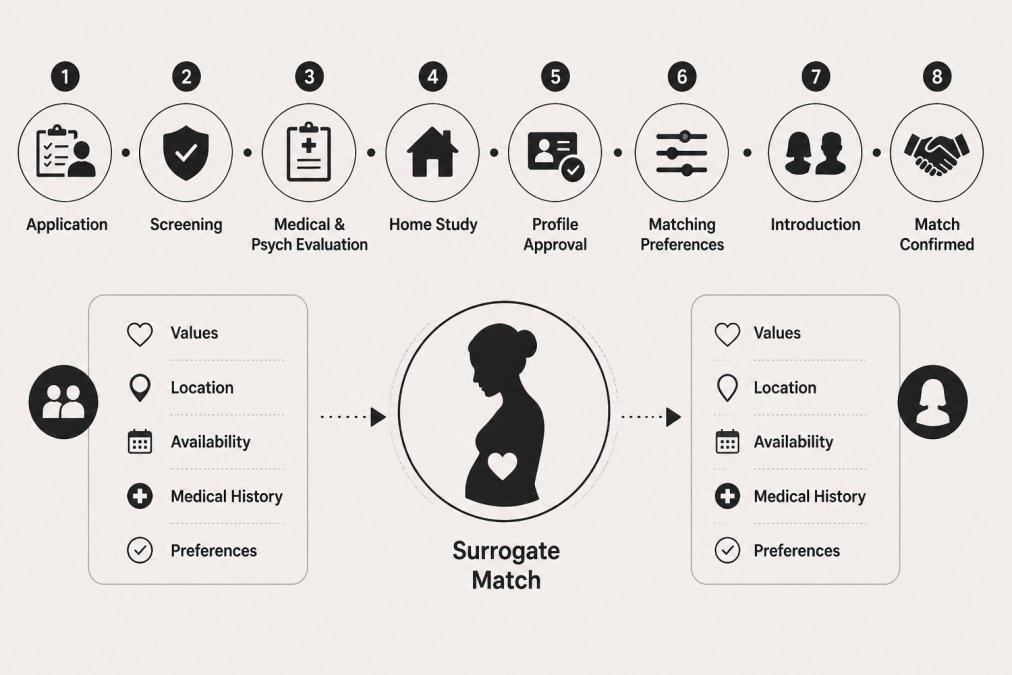
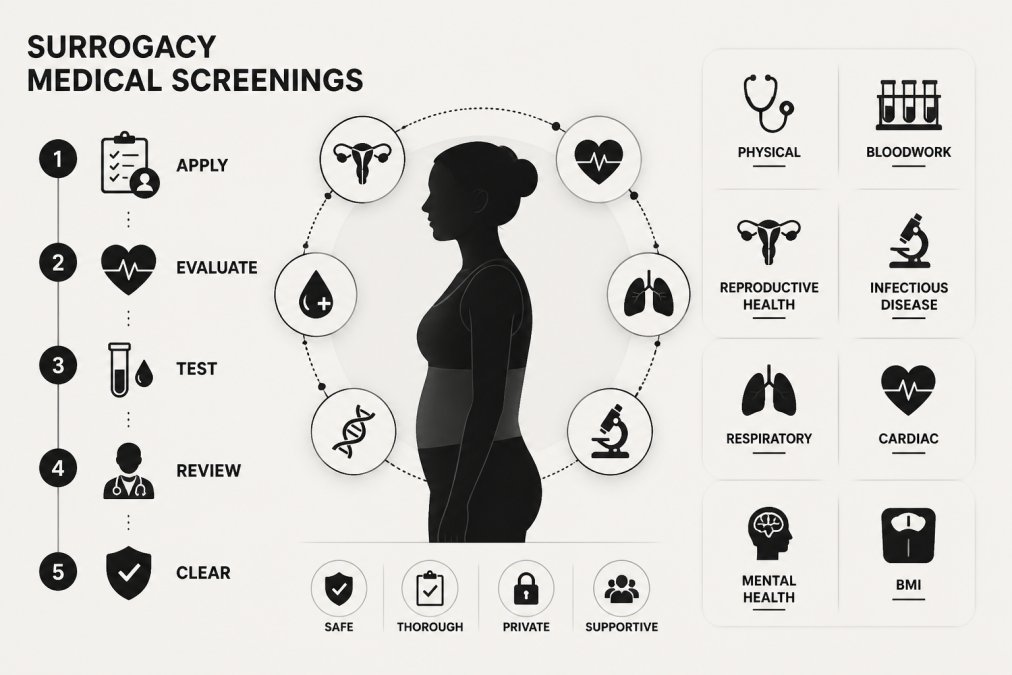
Initial screening ensures medical compatibility and psychological readiness. The gestational carrier has a full health evaluation and meets with Intended Parents to establish comfort and trust.
Legal agreements spell out everyone’s rights and responsibilities, covering medical decision-making, contact after birth, and dispute resolution. Each party has their own lawyer to review the agreement independently.
Medical preparation includes hormone treatments and embryo creation in a fertility clinic. The gestational carrier’s uterus is prepared to receive the embryo.
Pregnancy and birth follow standard obstetric care with regular prenatal appointments. Intended Parents stay informed and may be present at birth.
Legal finalization happens after birth. Court documents establish the Intended Parents as the legal parents.
Navigating the Surrogacy Legal Framework
Legal protection is essential in ethical surrogacy. The laws governing surrogacy vary by country, so coordination must account for where the pregnancy happens and where the Intended Parents live.
Legal parentage must be established clearly before or immediately after birth. In some jurisdictions, court orders transfer parentage to the Intended Parents after birth. In others, legal agreements signed before pregnancy establish parentage from the start.
Surrogacy agreements document the terms that all parties have negotiated, covering medical decision-making authority, contact between the gestational carrier and the child after birth, what happens if the pregnancy ends early, and how disputes will be resolved. Each party should have independent legal counsel.
Cross-border coordination adds complexity when Intended Parents and the gestational carrier live in different countries. The Intended Parents need lawyers who understand both the surrogacy laws where the pregnancy occurs and the laws in their home country.
Gestational carrier autonomy is protected through law in ethical jurisdictions. The gestational carrier retains the right to make medical decisions during pregnancy.
Building an Ethical Surrogacy Plan
Creating your surrogacy plan starts with clarity about what you want and what you’re willing to accept.
Define your priorities. Intended Parents should consider: Do you want ongoing contact with the gestational carrier after birth? How important is genetic connection? What is your timeline? Gestational carriers should reflect on: Why am I doing this? What level of involvement do I want after birth? What medical procedures am I comfortable with?
Choose your location carefully. Herman Family Group coordinates surrogacy in Ukraine, Czechia, Mexico, and Armenia. Each location has different legal frameworks and medical standards. Your choice affects which Intended Parents and gestational carriers can participate.
Assemble your team. You need:
- A fertility clinic with surrogacy experience
- Lawyers in both the surrogacy country and your home country
- A surrogacy coordinator to manage communication and logistics
- Medical professionals who understand your health situation
- Mental health support for all parties
Establish clear communication. From the start, all parties should know how often they’ll communicate and about what topics. These preferences should be documented and respected.
Plan for after birth. Discuss and agree on what happens after the baby is born. Will there be ongoing contact? Will the child know the gestational carrier’s identity? These conversations are easier before pregnancy than after birth.
Herman Family Group has supported families through this process for over a decade. Our team handles the coordination that makes the difference: matching Intended Parents with gestational carriers thoughtfully, ensuring all legal documents are in place before pregnancy begins, providing medical and emotional support throughout, and managing logistics so you can focus on preparing for parenthood.
Ethical surrogacy planning removes uncertainty and protects everyone involved. When Intended Parents and gestational carriers work with clear legal agreements, transparent communication, and professional coordination, the journey becomes manageable. Herman Family Group specializes in this kind of thoughtful, ethical coordination, helping you navigate the legal, medical, and emotional dimensions of international surrogacy so you can build your family with confidence. Create My Plan and let our team guide you through every step.
Frequently Asked Questions
What defines ethical surrogacy planning and coordination?
Ethical surrogacy planning prioritizes informed consent, legal protection for all parties, medical safety, and transparent communication. It ensures the gestational carrier's autonomy is respected, Intended Parents understand their rights and responsibilities, and a qualified team—including medical professionals, legal counsel, and psychological support—guides the entire journey. Coordination involves structured agreements, regular communication, and clear protocols from initial matching through post-birth support.
How do you protect the surrogate's welfare in surrogacy ethics?
Surrogate protection includes comprehensive medical screening, psychological evaluation before and during pregnancy, transparent disclosure of all risks, and a surrogacy agreement that outlines her rights and compensation. Ethical agencies ensure she has independent legal counsel, access to ongoing medical care, mental health support, and the ability to make informed decisions without coercion. Post-birth support and follow-up care are also essential components of responsible surrogate welfare.
What should be included in a transparent surrogacy agreement?
A comprehensive surrogacy agreement should detail the compensation structure, medical responsibilities, legal parentage procedures, confidentiality terms, communication expectations, and what happens if complications arise. It must outline the surrogate's rights to medical decisions, Intended Parents' legal obligations, and post-birth contact arrangements if applicable. Both parties should have independent legal counsel review the agreement before signing, and it must comply with the laws of the jurisdiction where the surrogacy takes place.
What red flags should Intended Parents watch for when selecting a surrogacy agency?
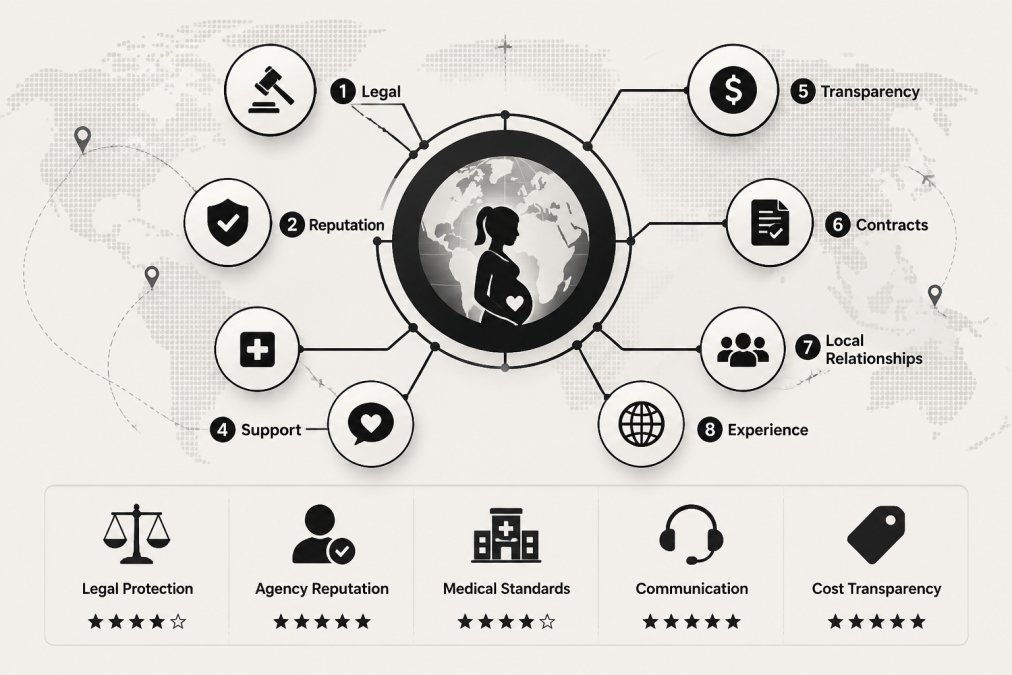
Avoid agencies that lack transparency about costs, pressure you into quick decisions, don't provide independent legal counsel, or make unrealistic promises about timelines or outcomes. Be cautious of agencies that don't conduct thorough medical and psychological screening, lack clear communication protocols, or avoid discussing surrogate welfare and protection measures. Legitimate agencies prioritize informed consent, provide detailed surrogacy agreements, and maintain ongoing support throughout the entire journey, not just until birth.
How does the gestational surrogacy process differ from other reproductive arrangements?
In gestational surrogacy, the surrogate carries an embryo created from the Intended Parents' genetic material (or donors). She has no biological connection to the child. The process involves medical screening, hormone preparation, embryo transfer, pregnancy monitoring, and legal procedures to establish parental rights. This differs from traditional surrogacy (where the surrogate is genetically related) and requires careful coordination between fertility clinics, legal professionals, and support services to ensure medical safety and legal clarity.
What legal protections do Intended Parents need in surrogacy planning?
Intended Parents need a clear surrogacy agreement that establishes legal parentage from conception or birth, depending on local law. They require independent legal counsel familiar with surrogacy law in the relevant jurisdiction, documentation of genetic contribution (if applicable), and procedures for obtaining birth certificates and citizenship documentation for the child. Legal protections should address inheritance rights, guardianship, medical decision-making authority, and what happens if either party faces unexpected circumstances during the pregnancy.
How can Intended Parents prepare for post-birth relationships with the gestational carrier?
Ethical planning includes discussing contact preferences before the surrogacy begins—whether communication will continue, how often, and in what form. Some arrangements involve ongoing contact; others are closed. Clear expectations prevent misunderstandings and emotional complications. Support services can help facilitate healthy boundaries and communication. Intended Parents should also prepare emotionally for the transition period after birth and consider counseling to process the experience and build confidence in their new family structure.
This article was written using GrandRanker