Table of Contents
- Understanding the International Surrogacy Matching Process
- Initial Consultation and Pre-Qualification
- Surrogacy Matching Criteria for Intended Parents
- Medical Screening and Clinical Requirements
- The Matching and Meet Process
- Legal Requirements for Cross-Border Surrogacy
- International Surrogacy Matching Timeline and Next Steps
- Conclusion
- Frequently Asked Questions
Last Updated: September 19, 2026
Understanding the International Surrogacy Matching Process
The surrogacy matching process is the critical phase where intended parents are paired with a gestational carrier who will carry their pregnancy. This step determines not only the medical and legal viability of your journey but also the personal connection and trust that will sustain you through one of life’s most transformative experiences. (Source: U.S. Department of State’s guidance on citizenship for children born abroad)
For intended parents navigating international surrogacy, the matching process is far more complex than domestic arrangements. You’re coordinating across borders, managing different legal frameworks, and ensuring that both parties understand their roles, rights, and responsibilities. The stakes are high, both emotionally and legally. A successful match requires careful screening, transparent communication, and expert coordination.
At Herman Family Group, we specialize in guiding intended parents through this intricate process. Our approach focuses on finding matches that work not just medically, but psychologically and legally. We handle the coordination so you can focus on the emotional reality of what’s ahead.
Below, we’ll walk you through each phase of the surrogacy matching process, from your initial consultation through the final legal agreements that protect everyone involved.
Initial Consultation and Pre-Qualification
Your surrogacy journey begins with a detailed intake process. During your initial consultation, you’ll meet with a surrogacy specialist who assesses your medical history, family goals, and readiness for the process ahead. This isn’t a quick call, it’s a thorough conversation designed to ensure surrogacy is the right path for you.
Pre-qualification typically takes 2-4 weeks. The specialist reviews your medical records, discusses your family-building timeline, and explains the legal landscape in your home country. This is where you learn whether your specific situation, whether you’re a single parent, same-sex couple, or heterosexual couple with infertility, fits within the legal frameworks of the surrogacy destination you’re considering.
One critical element at this stage is understanding your country’s legal restrictions. Many intended parents come to international surrogacy precisely because their home country prohibits or severely restricts the practice. Your specialist will help you understand what documentation you’ll need to bring a child home legally, including parentage orders and citizenship pathways. This foundational work prevents costly legal complications later.
The pre-qualification phase also establishes your program timeline. Unlike agencies that maintain waiting lists, Herman Family Group offers zero wait times for program commencement, meaning your matching process can begin immediately once pre-qualification is complete.
Surrogacy Matching Criteria for Intended Parents
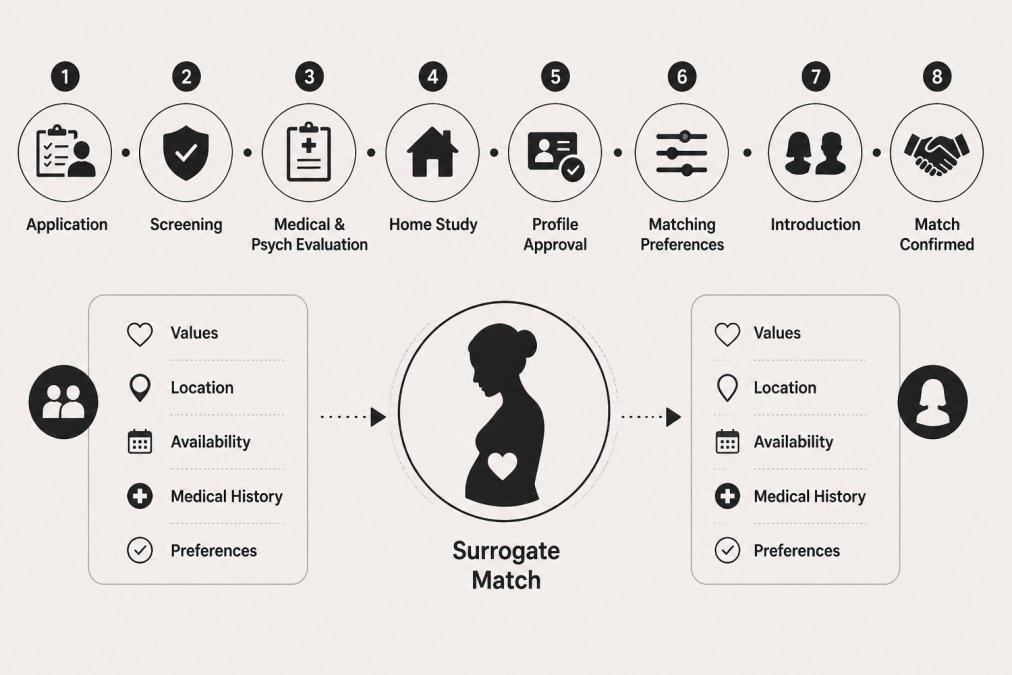
The matching process begins with clarity about what you’re looking for in a gestational carrier. Your preferences matter, not as luxuries, but as practical factors that influence the success of the arrangement.
Intended parents typically specify preferences around age, health history, number of prior pregnancies, lifestyle factors, and personality traits. A carrier in her late 20s with multiple successful pregnancies and a stable home environment presents a different profile than a first-time carrier in her early 40s. Neither is inherently better; the fit depends on your comfort level and medical priorities.
The matching specialist compiles a profile of available carriers that aligns with your criteria. This profile includes medical history, background checks, psychological evaluations, and, importantly, the carrier’s own motivations and boundaries. A gestational carrier who has completed her own family and is motivated by altruism presents a different dynamic than one who is primarily motivated by compensation.
Communication preferences also matter. Some intended parents want regular contact with their carrier throughout pregnancy; others prefer minimal direct communication. Your matching specialist ensures that both parties have compatible expectations around contact frequency, information sharing, and involvement in medical decisions.
This is where the surrogacy matching process becomes deeply personal. You’re not just finding someone medically suitable, you’re finding someone you can trust with one of the most intimate experiences of your life.
Medical Screening and Clinical Requirements
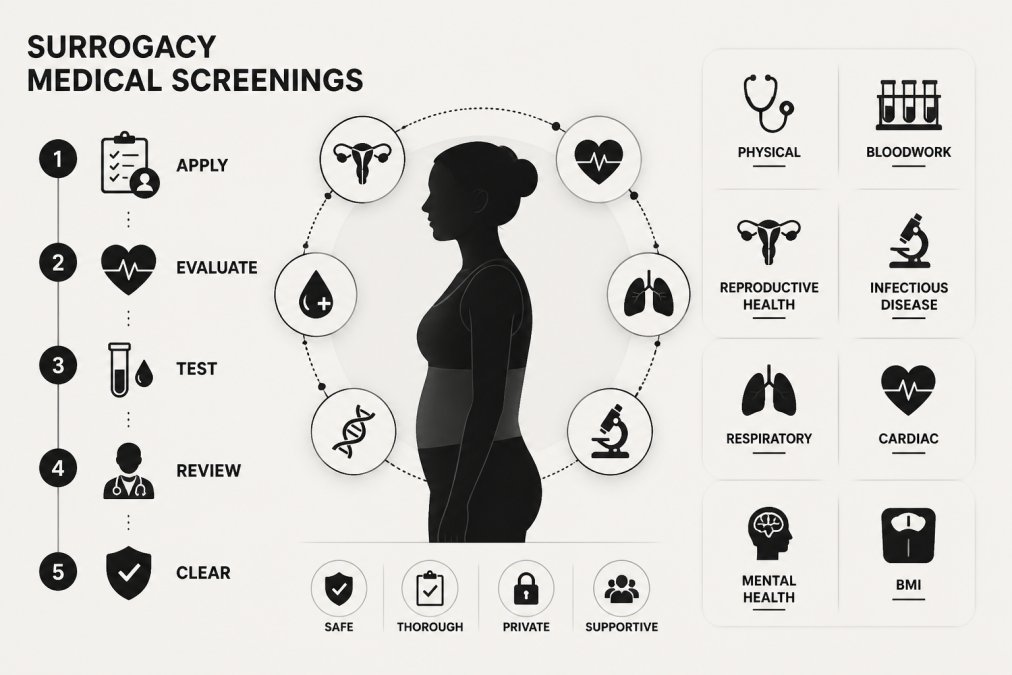
Once a potential match is identified, both intended parents and the gestational carrier undergo comprehensive medical screening. This phase typically spans 4-6 weeks and is non-negotiable for safety and legal compliance.
For intended parents, medical screening includes blood work, infectious disease testing, genetic carrier screening, and reproductive health assessment. If you’re providing genetic material, your fertility physician will evaluate sperm or egg quality. The goal is to identify any medical factors that might affect embryo creation or pregnancy success.
The gestational carrier’s medical screening is equally rigorous. She undergoes a full physical examination, psychological evaluation, infectious disease testing, and uterine assessment via ultrasound. Her medical history is reviewed for any conditions that might complicate pregnancy, gestational diabetes, preeclampsia, or blood clotting disorders, for example.
The psychological evaluation deserves special attention. A qualified mental health professional assesses the carrier’s emotional readiness, understanding of the surrogacy process, and ability to relinquish the child after birth. This isn’t a barrier; it’s a safeguard. Carriers who have been thoroughly evaluated and found psychologically prepared are far less likely to experience post-birth complications or regret.
Your IVF physician oversees this entire medical screening phase. They’re ensuring that both parties are medically compatible and that the intended parents’ genetic material is viable for embryo creation. Any red flags, infections, genetic concerns, or medical contraindications, are addressed before moving forward.
The Matching and Meet Process
After medical clearance, the match becomes official. This is when the real relationship begins.
Many intended parents and carriers choose to meet in person before embryo transfer. A match meeting allows both parties to build trust, ask questions, and establish the personal connection that will sustain the relationship through pregnancy. These meetings often happen in the surrogacy destination country and are coordinated by your matching specialist.
During the match meeting, you’ll discuss expectations around communication during pregnancy, medical decision-making, and post-birth contact. You’ll learn about your carrier’s daily life, her motivations, and her boundaries. She’ll learn about your family, your hopes for your child, and what parenthood means to you.
Some intended parents and carriers develop close friendships; others maintain respectful professional relationships. Both outcomes are healthy. What matters is that everyone enters the pregnancy with aligned expectations and genuine respect.
The matching specialist documents these conversations. This creates a record of agreed-upon terms that becomes part of your surrogacy contract. Clear documentation prevents misunderstandings later.
For international matches, the meet process may happen virtually or in person, depending on travel feasibility and your comfort level. Herman Family Group coordinates these meetings to ensure they’re productive and emotionally safe for everyone involved. (Source: American Bar Association’s resources on assisted reproductive technology law)
Legal Requirements for Cross-Border Surrogacy
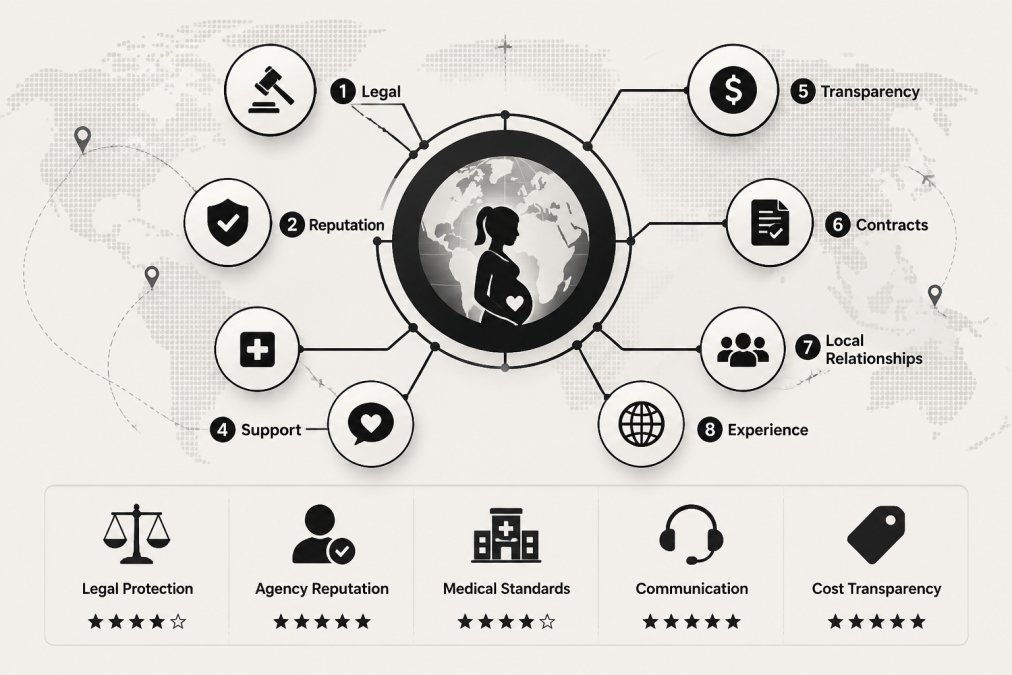
This is where international surrogacy becomes genuinely complex. The legal framework governing your surrogacy depends on three things: the law of your home country, the law of the surrogacy destination, and international family law principles.
Your home country’s laws determine whether you can legally bring a child born via surrogacy back across your borders and establish legal parentage. Some countries recognize surrogacy-born children without issue; others require additional legal steps like adoption or parentage orders issued by courts in the surrogacy destination.
The surrogacy destination’s laws determine what contracts are enforceable, what rights the gestational carrier has, and what documentation you’ll receive at birth. Legally sound surrogacy destinations have clear statutory frameworks that protect both intended parents and carriers.
Your legal counsel, ideally someone licensed in both your home jurisdiction and the surrogacy destination, will prepare a surrogacy contract that complies with both sets of laws. This contract specifies compensation, medical decision-making authority, communication terms, and post-birth responsibilities.
One often-overlooked requirement is the parentage order or birth certificate process. In most legally sound surrogacy destinations, intended parents obtain a court order establishing legal parentage before or immediately after birth. This order is then used to obtain a birth certificate naming the intended parents. Without this documentation, bringing your child home becomes legally precarious.
Herman Family Group’s approach emphasizes working only in legally structured destinations where these frameworks are clear and enforceable. This protects you from the nightmare scenarios that sometimes make international surrogacy headlines, situations where legal ambiguity creates custody disputes or prevents intended parents from taking their children home.
International Surrogacy Matching Timeline and Next Steps
The complete surrogacy matching process typically unfolds over 4-6 months from initial consultation to embryo transfer. Understanding this timeline helps you plan your life accordingly.
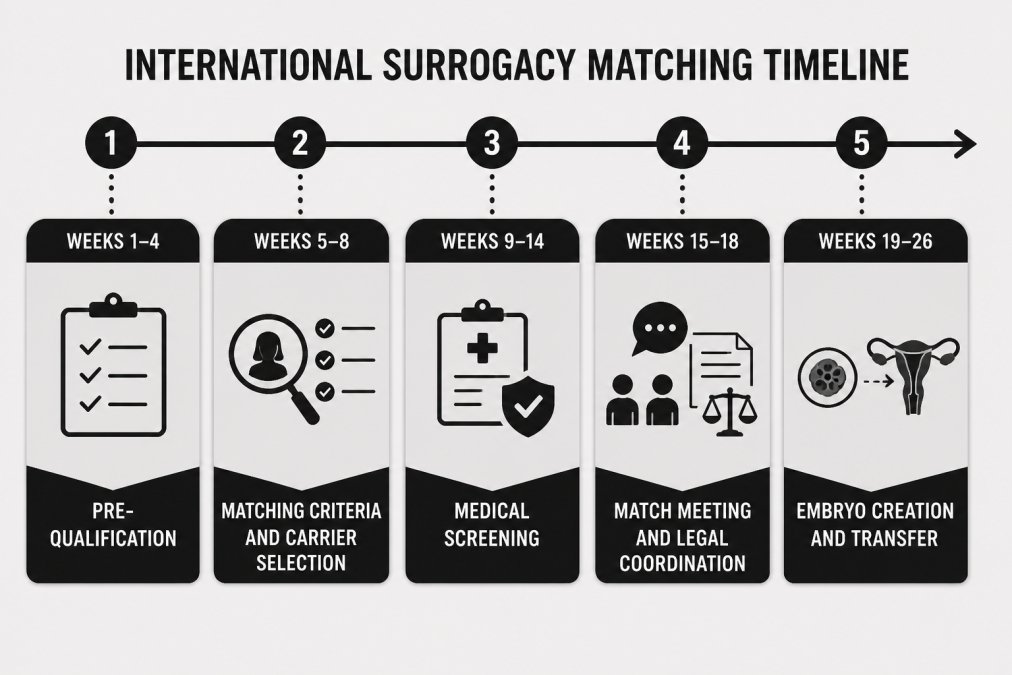
Weeks 1-4: Pre-Qualification
You complete your initial consultation, medical review, and legal assessment.
Conclusion
The surrogacy matching process is the foundation of everything that follows. A thoughtful, legally sound match sets the stage for a successful pregnancy and a smooth path to bringing your child home.
Frequently Asked Questions
Frequently Asked Questions
What is the first step in the international surrogacy matching process?
The first step is an initial consultation where you meet with a surrogacy coordinator to discuss your family goals, medical history, and preferences. During this intake, the team reviews your situation, answers questions about the surrogacy matching process, and determines if you’re a good fit for their program. You’ll also complete questionnaires about your expectations for the gestational carrier relationship and any specific criteria important to your family.
How long does the international surrogacy matching timeline typically take?
The international surrogacy matching timeline varies based on your specific situation and destination, but generally spans 4-8 weeks from initial qualification to match meeting. This includes medical screening, psychological evaluation, and the matching specialist’s review of compatible profiles. After matching, legal coordination and embryo creation typically add another 8-12 weeks before embryo transfer. Herman Family Group offers immediate program commencement with zero wait times, meaning you can begin the intake process right away without delays.
What are the main surrogacy matching criteria that agencies use to pair Intended Parents with a gestational carrier?
Surrogacy matching criteria typically include medical compatibility, psychological evaluation results, lifestyle preferences, communication style, and family structure acceptance. Matching specialists review your medical records, embryo status, and preferences regarding surrogate compensation, contact level during pregnancy, and post-birth involvement. They also assess the gestational carrier’s clinical requirements, health history, and openness to your specific family situation, whether you’re a same-sex couple, single parent, or heterosexual couple.
What legal requirements must Intended Parents address for cross-border surrogacy?
Legal requirements for cross-border surrogacy include establishing parental rights in both the surrogacy destination and your home country, securing a parentage order, obtaining a birth certificate that reflects your names, and understanding immigration laws for bringing your child home. You’ll need legal counsel familiar with both jurisdictions to draft surrogacy contracts, handle escrow account setup, and ensure compliance with local surrogacy laws. International travel requirements and citizenship documentation also vary by destination, making specialized legal coordination essential for a safe process.