Table of Contents
- Understanding the Surrogacy Process and Your Options
- Domestic vs. International Surrogacy: Key Differences
- Building Your Surrogacy Agency Vetting Checklist
- International Surrogacy Laws by Country: What You Need to Know
- The International Surrogacy Medical Screening Process Explained
- Understanding Risks of International Surrogacy
- How to Choose the Right Surrogate for Your Family
- Post-Birth Legal Considerations: Citizenship and Parental Rights
Last Updated: August 8, 2026
Understanding the Surrogacy Process and Your Options
Building a family through international surrogacy is a profound decision requiring careful planning, legal expertise, and emotional preparation. International surrogacy involves three core participants: Intended Parents seeking to build a family, a gestational carrier (surrogate) who carries the pregnancy, and a surrogacy agency coordinating medical, legal, and logistical services. The process differs significantly from domestic arrangements because it crosses borders, involves multiple legal jurisdictions, and requires coordination between fertility clinics, legal counsel, and government agencies in at least two countries.
At Herman Family Group, we’ve supported Intended Parents worldwide through this journey. The most successful outcomes come from Intended Parents who approach surrogacy with clear understanding of what to expect, realistic timelines, and thorough vetting of both agencies and surrogates.
The international surrogacy process involves medical, legal, and emotional dimensions spanning multiple countries. Success depends on choosing the right agency, understanding local laws, and establishing clear communication with your surrogate from day one.
Domestic vs. International Surrogacy: Key Differences
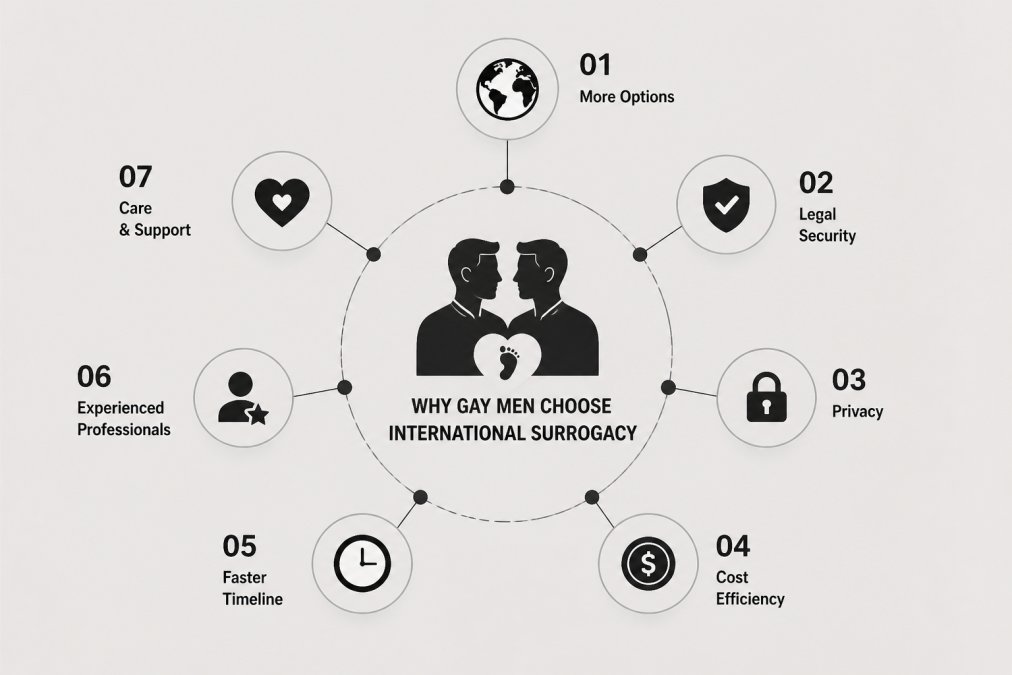
Domestic surrogacy within the United States offers legal certainty but comes with long wait times. International surrogacy accelerates the timeline and often reduces expenses, but introduces legal complexity and coordination challenges across borders.
The most critical difference lies in legal parentage establishment. In domestic U.S. surrogacy, pre-birth orders from state courts establish parental rights before birth. International surrogacy requires post-birth legal processes in multiple countries: the birth country must recognize parental rights, and your home country must recognize the foreign birth certificate and grant citizenship. This adds 2-4 months to the timeline after birth.
Domestic surrogacy typically involves 12-18 months of waiting to match with a surrogate, plus 9-12 months for the pregnancy cycle. International programs with established networks can commence immediately with zero wait times for program enrollment. Medical screening follows similar protocols in both settings, though international programs may use different testing standards.
If speed and immediate program commencement are priorities, international surrogacy with an established agency typically reduces your timeline by 6-12 months compared to domestic options.
Building Your Surrogacy Agency Vetting Checklist
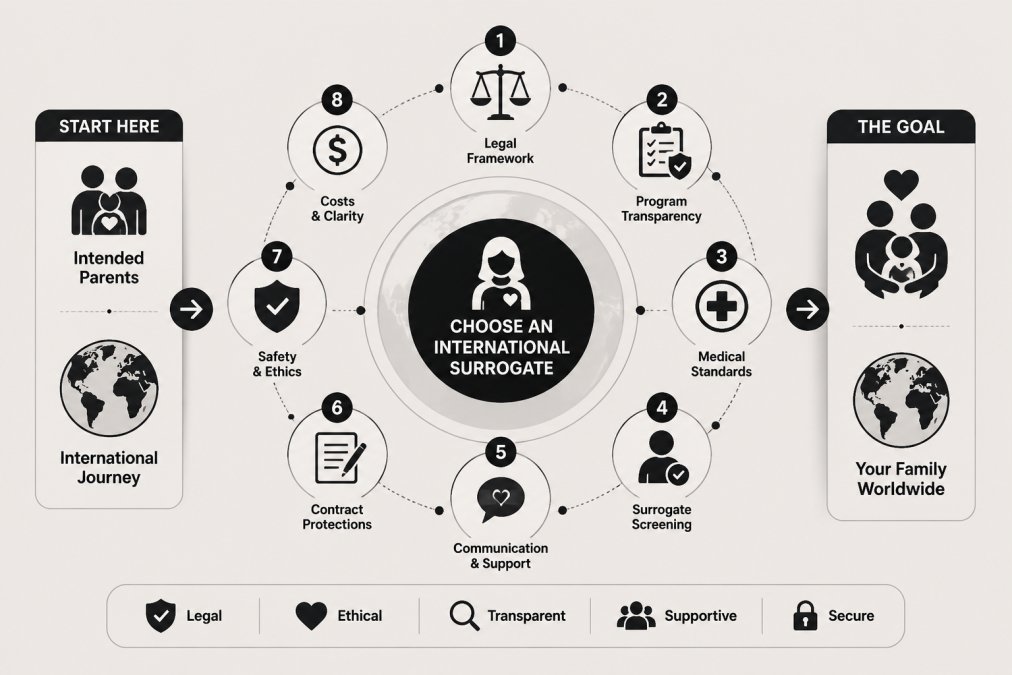
Selecting a surrogacy agency is the single most consequential decision in your international surrogacy journey. The agency coordinates every element, medical screening, legal compliance, surrogate support, and post-birth logistics, so their competence and integrity directly impact your safety and success.
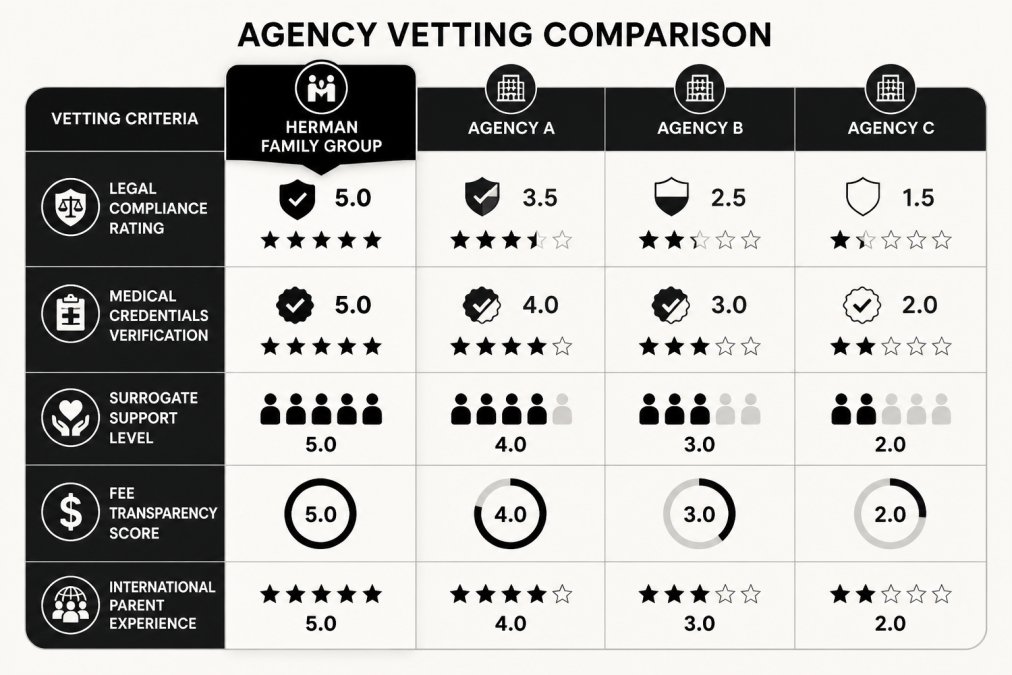
Your vetting checklist should evaluate agencies across five critical dimensions: legal compliance and country expertise, medical credentials and clinic partnerships, surrogate support and screening rigor, transparency in fees and processes, and experience serving Intended Parents from your specific country or family structure.

Legal Compliance and Country Expertise: Verify that the agency specializes in the specific countries where you’re considering surrogacy. Ask the agency to provide written summaries of current surrogacy laws in their primary destinations, including regulations around parental rights, citizenship, and post-birth procedures. Request references from Intended Parents who have completed journeys in those countries and obtained citizenship for their children.
Medical Credentials and Clinic Partnerships: The agency should partner with accredited fertility clinics meeting international standards. Ask for documentation of clinic certifications, success rates specific to gestational surrogacy, and protocols for medical emergencies. Clarify how the agency communicates medical updates to you and whether they provide real-time translation services.
Surrogate Screening and Support: Comprehensive surrogate screening includes medical evaluation, psychological assessment, background checks, and verification of previous pregnancies. Ask how the agency ensures surrogates understand the legal and emotional dimensions of carrying a pregnancy for others. Inquire about ongoing support during pregnancy, counseling, and communication with Intended Parents.
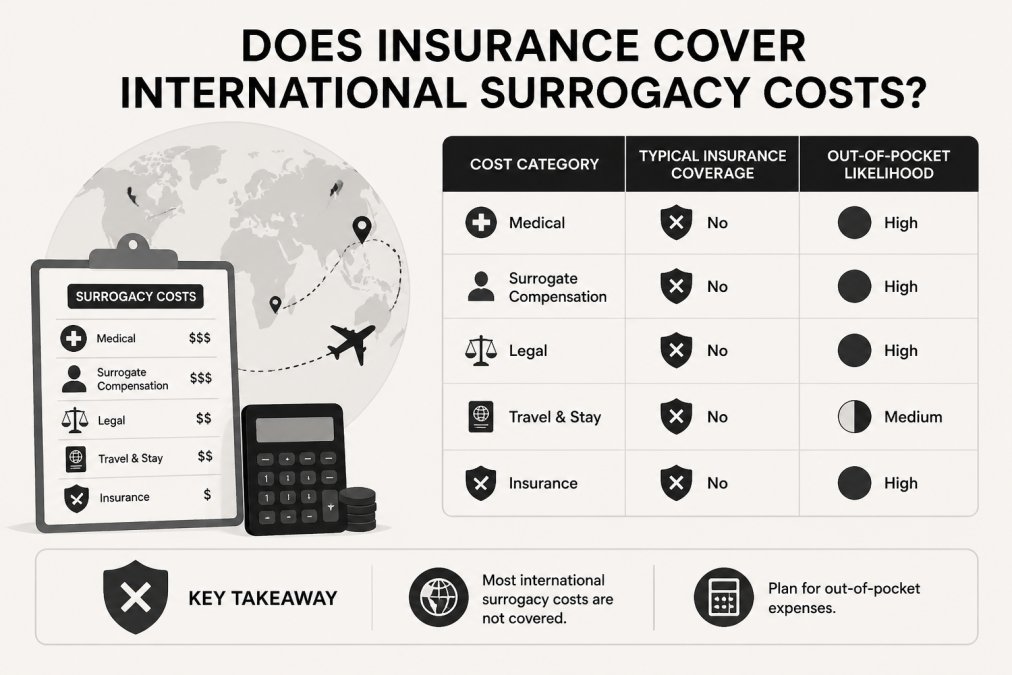
Transparency in Fees and Processes: The agency should provide a detailed, itemized breakdown of all costs before you commit. Request a written fee schedule and ask specifically about what happens if a cycle fails or unexpected medical costs arise. Transparent agencies use escrow accounts to hold funds, ensuring that surrogate compensation is protected and released appropriately.
Experience with Your Specific Situation: If you’re a single parent, same-sex couple, or Intended Parent from a country with restrictive surrogacy laws, ask the agency directly whether they have experience serving your family structure. Request references from Intended Parents in similar situations.
Red Flags to Watch For
Agencies that pressure you to decide quickly, offer pricing significantly lower than competitors without explanation, or refuse to provide references are operating without transparency. Avoid agencies that promise guaranteed outcomes or suggest ways to circumvent regulations in your home country. If an agency suggests that citizenship or parental rights issues will "sort themselves out," that’s a signal to leave.
Be cautious of agencies that limit communication with your surrogate or discourage direct contact. You should have a clear communication channel with your surrogate throughout the pregnancy.
Questions to Ask Potential Agencies
"Walk me through your typical timeline from program enrollment to birth. What are the realistic milestones, and where do delays most commonly occur?"
"What happens if a surrogate becomes pregnant but the pregnancy ends in miscarriage? What are my financial obligations, and what support does the surrogate receive?"
"How do you handle post-birth legal processes? Do you have lawyers in my home country who specialize in citizenship and parental rights recognition?"
"Can you provide references from at least three Intended Parents who completed their journey in the past 18 months?"
"What is your surrogate retention rate, and how many surrogates do you work with at any given time?"
Agencies that cannot clearly explain their legal compliance processes in your specific country are exposing you to serious post-birth complications. This is where many international surrogacy journeys encounter unexpected costs and delays.
International Surrogacy Laws by Country: What You Need to Know
Surrogacy law varies dramatically across countries, and the legal landscape shifts regularly. Understanding the laws in your destination country and your home country is essential before committing to a surrogacy journey.
Countries with Clear Legal Frameworks: Ukraine, Georgia, and Mexico have established surrogacy industries with legal protections for Intended Parents and regulated processes for surrogate compensation and parental rights. However, laws can change. Always verify current regulations with a lawyer licensed in the specific country.
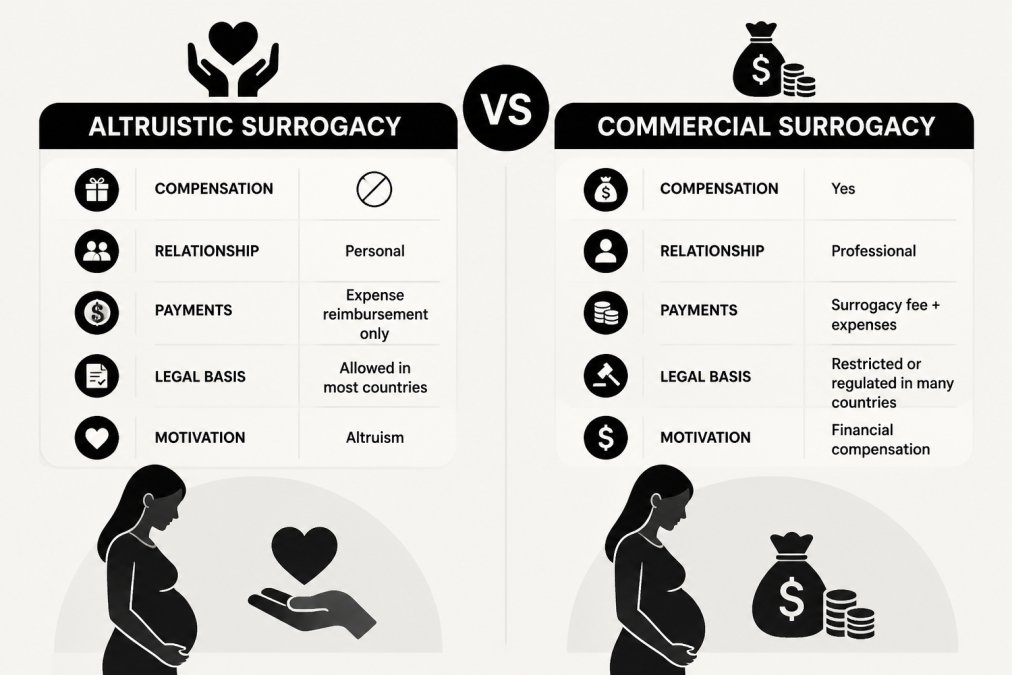
Countries with Restrictive Laws: Canada, Australia, and the United Kingdom permit altruistic surrogacy (surrogates cannot be compensated beyond reasonable expenses) but prohibit commercial surrogacy. India has progressively restricted commercial surrogacy. Thailand and Cambodia have largely closed their surrogacy programs due to regulatory concerns.
Your Home Country’s Recognition of Foreign Birth Certificates: Even if surrogacy is legal in your destination country, your home country must recognize the birth certificate and grant citizenship to your child. The United States recognizes birth certificates issued by foreign governments, but the process for establishing parental rights and obtaining U.S. citizenship varies. Non-U.S. Intended Parents face greater complexity. If you live in a country that doesn’t recognize surrogacy or that requires biological connection to establish parentage, bringing your child home may require adoption proceedings or other legal mechanisms. Working with legal counsel in your home country, not just in the surrogacy destination, is non-negotiable.
Post-Birth Legal Orders: Some countries issue pre-birth orders that establish parental rights before delivery. Others require post-birth orders obtained through family courts after the child is born. Post-birth orders typically take 2-4 weeks to obtain and must be processed before you can obtain a passport or travel with your child.
Research current laws through official government sources in your destination country and consult with a lawyer licensed in both your destination country and your home country.
The International Surrogacy Medical Screening Process Explained
Medical screening in international surrogacy involves comprehensive evaluation of both Intended Parents and the gestational carrier to ensure the pregnancy is medically viable and safe for everyone involved.
Intended Parent Medical Screening: The fertility clinic will conduct blood tests, infectious disease screening, and genetic carrier screening. These tests identify whether you carry genes for inherited conditions and confirm that you don’t have communicable diseases that could affect the surrogate or baby. You’ll also undergo psychological evaluation to assess your readiness for surrogacy.
Surrogate Medical Screening: The surrogate undergoes more extensive evaluation because she’s carrying the pregnancy. Testing includes comprehensive blood work, infectious disease screening, and gynecological examination. The clinic assesses her uterine health through ultrasound. Psychological evaluation for surrogates must confirm that she understands the emotional and legal dimensions of surrogacy and that she’s capable of relinquishing parental rights after birth.
Genetic Screening of Embryos: Most international surrogacy programs use preimplantation genetic testing (PGT) to screen embryos for chromosomal abnormalities before transfer. This reduces the risk of miscarriage and genetic conditions. PGT-A screens for chromosomal number abnormalities; PGT-M screens for specific inherited genetic conditions if either Intended Parent carries a gene for a hereditary disease.
Coordination and Timeline: Medical screening typically takes 4-8 weeks from initial consultation to cleared status. Many clinics now offer telemedicine consultations, which simplifies coordination.
International fertility clinics may use different testing standards than clinics in your home country. Ask the clinic to explain how their testing protocols compare to standards in your country, and request copies of all test results for your own records.
Understanding Risks of International Surrogacy
International surrogacy carries medical, legal, and emotional risks that differ from domestic surrogacy. Understanding these risks allows you to make informed decisions and plan appropriate protections.
Medical Risks: Pregnancy carries inherent medical risks regardless of surrogacy. The surrogate may experience gestational diabetes, preeclampsia, or other pregnancy complications. Multiple embryo transfer increases the risk of multiple pregnancy, which carries elevated risks for both mother and babies.
Legal Risks: The most significant risk in international surrogacy is post-birth legal uncertainty. If the birth country doesn’t issue a pre-birth order establishing your parental rights, the surrogate technically has legal claim to the child until a post-birth order is obtained. Additionally, if your home country doesn’t recognize the foreign birth certificate or doesn’t grant citizenship automatically, you may face months of legal processing before your child can travel home.
Citizenship and Passport Delays: Children born abroad to non-citizen Intended Parents may not automatically acquire citizenship. You’ll need to apply for citizenship through your home country’s consular process, which can take weeks or months. Until citizenship is established, you cannot obtain a passport, and your child cannot travel internationally. Plan for an extended stay in the surrogacy destination.
Communication and Cultural Barriers: Time zone differences, language barriers, and cultural norms around pregnancy create communication challenges. Establish clear communication protocols with your agency and surrogate before the pregnancy begins.
Surrogate Health and Welfare: Verify that your agency provides medical care, psychological support, and fair compensation to surrogates throughout the pregnancy and postpartum period.
Financial Risk: International surrogacy requires substantial upfront investment. If a cycle fails, you may lose some or all of that investment. Understand the agency’s refund and retry policies before committing funds.
How to Choose the Right Surrogate for Your Family
Matching with a surrogate is deeply personal. The surrogate will carry your genetic child or your adopted embryo, and you’ll be connected to her throughout the pregnancy and potentially beyond.
The matching process typically begins after you’ve completed medical screening and genetic testing. The agency presents profiles of available surrogates, including their medical history, pregnancy experience, motivations for becoming a surrogate, and personal background. You review these profiles and indicate which surrogates interest you. The agency then coordinates meetings, often via video call, to assess compatibility.
Key Factors in Surrogate Selection: Consider the surrogate’s previous pregnancy experience. Surrogates with successful prior pregnancies are statistically more likely to have successful surrogacy pregnancies. Assess her understanding of surrogacy and why she’s chosen this path. Evaluate her lifestyle and health habits, including diet, exercise, smoking and alcohol use, and medical history. Clarify communication style and expectations. Does she prefer frequent contact with Intended Parents or more distance? Are her expectations about your involvement aligned with yours?
Matching Process and Timeline Expectations
The matching process at reputable agencies typically takes 2-4 weeks from profile review to final agreement. Once matched, you’ll work with legal counsel to draft the surrogacy agreement, a comprehensive contract that specifies parental rights, compensation, medical decision-making authority, and post-birth arrangements.
After the agreement is finalized, the surrogate begins the medical preparation cycle. This typically involves 2-4 weeks of hormone injections to prepare her uterus for embryo transfer. The embryo transfer procedure itself takes 15-20 minutes and is performed at the fertility clinic. Pregnancy confirmation typically occurs 10-14 days after transfer through blood tests measuring human chorionic gonadotropin (hCG).
Communication and Support Throughout the Journey
Establish clear communication protocols before the pregnancy begins. How often will you receive updates? Who will provide them? What information will be shared? Will you have direct contact with the surrogate or will communication flow through the agency?
Many Intended Parents benefit from having the agency serve as a communication coordinator, translating messages and managing expectations. However, some families prefer direct contact with their surrogate, which builds relationship and trust.
Prepare for the emotional reality of not experiencing the pregnancy. You won’t feel the baby move or have the embodied connection that biological pregnancy provides. Many Intended Parents find that attending ultrasounds via video, receiving regular updates, and maintaining contact with the surrogate helps bridge this distance.
Herman Family Group recognizes that international surrogacy requires comprehensive support beyond medical coordination. Our team provides emotional counseling, communication facilitation, and logistical planning to help Intended Parents navigate the psychological dimensions of surrogacy while managing the practical complexities of cross-border family building.
The surrogate you choose will be intimately connected to your child’s existence. Invest time in the matching process to find someone whose values, communication style, and expectations align with yours.
Post-Birth Legal Considerations: Citizenship and Parental Rights
The period after your child is born is when many international surrogacy journeys encounter unexpected complexity. Birth certificates must be issued, parental rights must be legally established, and citizenship must be secured before you can bring your child home.
Birth Certificate and Legal Parentage: In some surrogacy destinations, the birth certificate can be issued directly to you as Intended Parents if a pre-birth order was obtained. In others, the surrogate is initially listed as the mother on the birth certificate, and you must obtain a post-birth order from the family court to change this. This post-birth order process typically takes 2-4 weeks.
Citizenship Acquisition: If you’re U.S. citizens, your child typically acquires U.S. citizenship automatically if at least one of you is a U.S. citizen and meets specific requirements. However, if neither of you is a U.S. citizen, your child will be born with the citizenship of the birth country and will need to apply for citizenship in your home country through standard immigration processes. Non-U.S. Intended Parents face more complex citizenship pathways. Some countries require biological connection to grant citizenship; others have specific procedures for children born through surrogacy. Research your home country’s citizenship laws before beginning surrogacy, and work with legal counsel to understand the exact steps you’ll need to take after birth.
Passport and Travel: You cannot travel internationally with your child until citizenship is established and a passport is obtained. Plan for an extended stay in the surrogacy destination while legal processing occurs. Arrange accommodation, childcare support, and time off work.
Post-Birth Medical Care: Your newborn will need pediatric examination, vaccinations, and screening tests before travel. Coordinate with the fertility clinic and your pediatrician to ensure all necessary medical clearances are in place.
Consular Processing: If your home country requires consular processing for citizenship or visa issuance, you’ll need to apply at your country’s embassy or consulate in the surrogacy destination. This process can take weeks, so begin applications immediately after birth.
International surrogacy is a profound commitment that transforms your family and requires careful navigation of medical, legal, and emotional landscapes. The decisions you make about which country, which agency, and which surrogate will shape your entire journey. By investing time in thorough agency vetting, understanding the laws in both your destination and home countries, and establishing clear communication with your surrogate, you create a foundation for a successful and supported path to parenthood.
Herman Family Group specializes in comprehensive support for Intended Parents navigating international surrogacy. Our team coordinates medical screening, legal compliance, surrogate matching, and post-birth citizenship processing, eliminating the complexity that often derails international family building. With immediate program commencement and personalized support from initial planning through birth and beyond, Herman Family Group removes the uncertainty that makes international surrogacy feel overwhelming. Create My Plan and let our team guide you through every step of building your family across borders.
Frequently Asked Questions
What should I look for when evaluating an international surrogacy agency?
A strong surrogacy agency should have transparent fees with no hidden costs, legal expertise in your home country's laws, medical partnerships with accredited fertility clinics, comprehensive surrogate screening and support, and proven experience with Intended Parents from your region. Ask for references, review their vetting process documentation, and verify their legal compliance record. The agency should also provide ongoing case management and emotional support throughout your journey.
How do international surrogacy laws differ by country, and which are safest for U.S. citizens?
Surrogacy laws vary dramatically by country. Some nations prohibit it entirely, while others permit gestational surrogacy with clear legal frameworks. The safest destinations for U.S. Intended Parents typically have established legal processes for parental rights recognition, pre-birth orders, and citizenship pathways. Work with an agency that employs local legal counsel familiar with both U.S. immigration law and your chosen destination's surrogacy regulations. This protects your parental rights and simplifies bringing your child home.
What does the international surrogacy medical screening process involve?
Medical screening for surrogates includes comprehensive physical exams, infectious disease testing, reproductive health evaluation, and genetic screening where applicable. Psychological evaluation assesses the surrogate's emotional readiness and informed consent. For Intended Parents, screening covers fertility status and overall health. All testing must meet international medical standards and be documented thoroughly. Your agency should explain each test's purpose and how results inform your matching.
What are the main risks of international surrogacy, and how can I minimize them?
Key risks include legal uncertainty, communication barriers, medical complications, and financial loss. Minimize these by choosing an agency with strong legal counsel in both countries, clear escrow account management, comprehensive medical insurance, and detailed surrogacy agreements. Understand your home country's citizenship and parental recognition processes before committing. Maintain regular contact with your surrogate and medical team, and have contingency plans for unexpected scenarios.
This article was written using GrandRanker