Table of Contents
- Understanding International Surrogacy for Single Parents
- Best Countries for Surrogacy for Single Parents
- Legal Aspects of International Surrogacy You Must Know
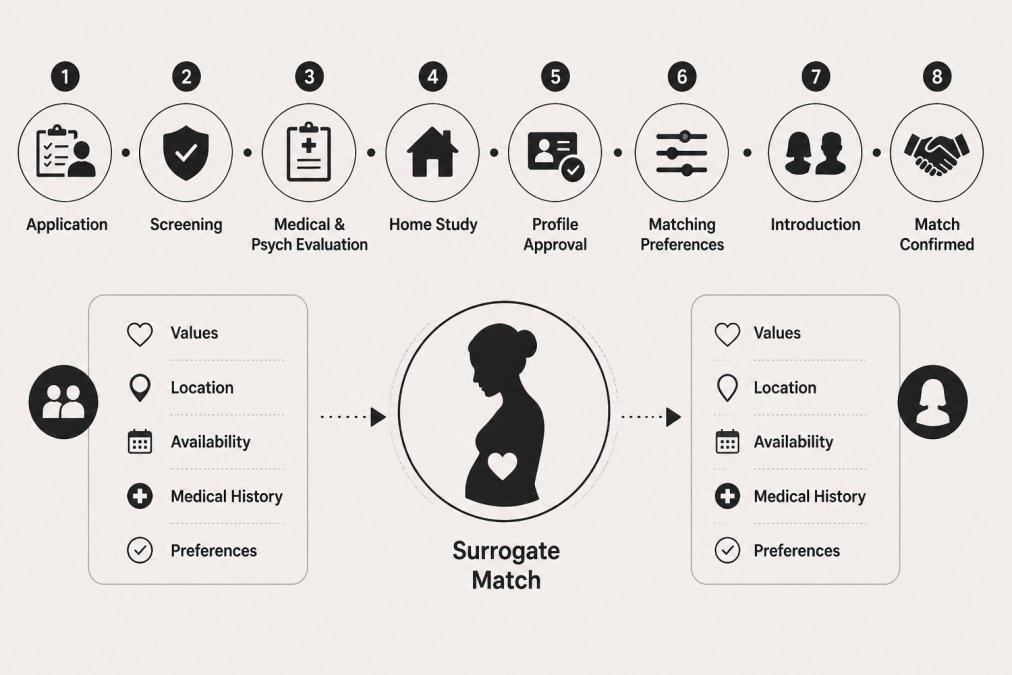
- International Surrogacy Process Steps Explained
International Surrogacy Agency for Single Parents: A 2026 Guide
Last Updated: July 24, 2026
Single parents pursuing parenthood through surrogacy face unique legal, financial, and emotional challenges. An international surrogacy agency for single parents provides the expertise, legal protection, and coordinated care essential to navigate cross-border family building successfully. At Herman Family Group, we’ve guided single Intended Parents through this journey for over a decade, helping them understand their options and build families safely within legally sound frameworks.
Understanding International Surrogacy for Single Parents
International surrogacy offers single parents access to reproductive options that may be restricted in their home countries. Many countries with established surrogacy frameworks explicitly permit single individuals to become Intended Parents without discrimination.
What makes international surrogacy attractive for single parents includes immediate program commencement, access to vetted egg or sperm donors, professional gestational carrier matching, and comprehensive medical and emotional support from initial planning through birth and legal repatriation.
Best Countries for Surrogacy for Single Parents
Several countries have created legally sound frameworks that explicitly welcome single Intended Parents.
Mexico offers flexibility in specific states where surrogacy is legal and regulated. Single parents can establish legal parentage relatively quickly, though regional variation requires careful legal counsel.
Colombia has clear surrogacy laws, established fertility clinics, and increasing experience serving single Intended Parents. Legal processes are well-defined and medical standards are high.
The choice depends on your citizenship, travel capacity, and timeline preferences.
Legal Aspects of International Surrogacy You Must Know
International surrogacy involves multiple legal systems: the country where surrogacy occurs, your home country, and potentially the countries of any egg or sperm donors.
Parentage orders are court judgments establishing you as the child’s legal parent. In surrogacy-friendly countries, these are typically granted before or immediately after birth. However, your home country may not automatically recognize a foreign parentage order. You’ll need a separate legal process to establish parentage in your own country’s legal system.
Birth certificates issued in the surrogacy country list you as the parent, but your home country’s vital records office may require additional documentation before issuing a domestic birth certificate.
Citizenship for your child depends on your nationality and the surrogacy country’s laws. You may need to apply for citizenship separately, a process that typically takes weeks to months.
Legal agreements between you, the agency, the fertility clinic, the gestational carrier, and any donors must be clear and enforceable in both jurisdictions.
The most common legal mistake single parents make is assuming that establishing parentage in the surrogacy country is sufficient. You must work with lawyers licensed in both the surrogacy country AND your home country to ensure your parental rights are recognized everywhere you plan to live or travel with your child.
International Surrogacy Process Steps Explained
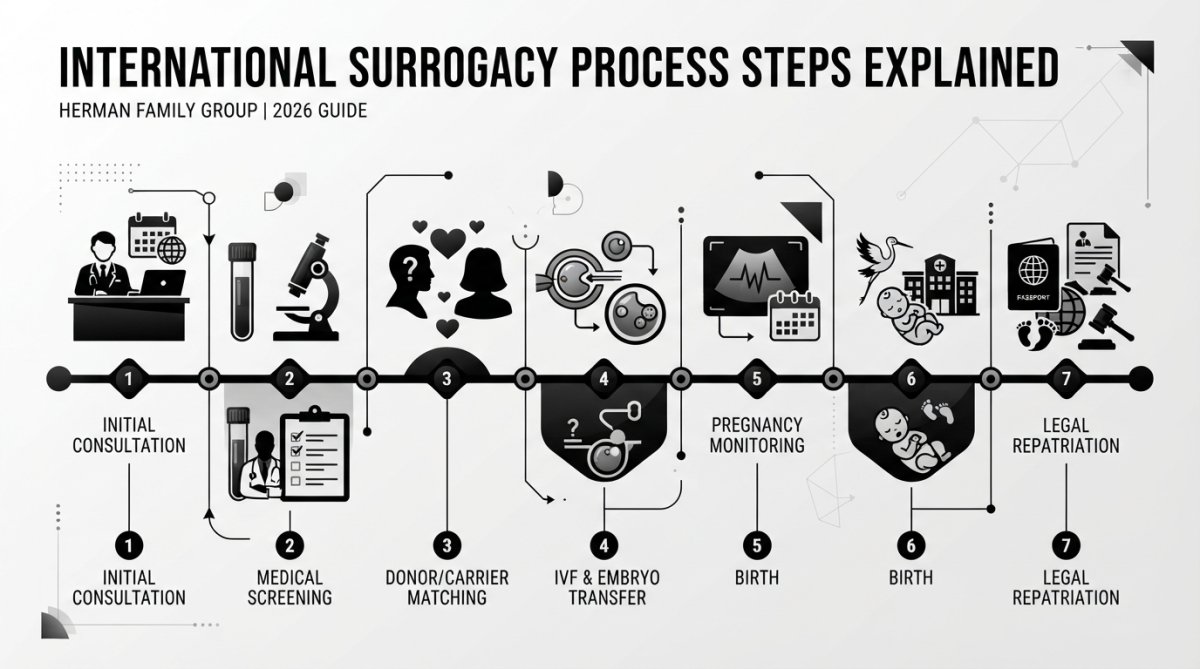
The international surrogacy journey follows a predictable sequence, though timelines vary by country and individual circumstances.
Step 1: Initial Consultation involves meeting with the agency, reviewing your medical history, and confirming that you meet program eligibility criteria. Single parents should ask explicitly how the agency supports single-parent cases.
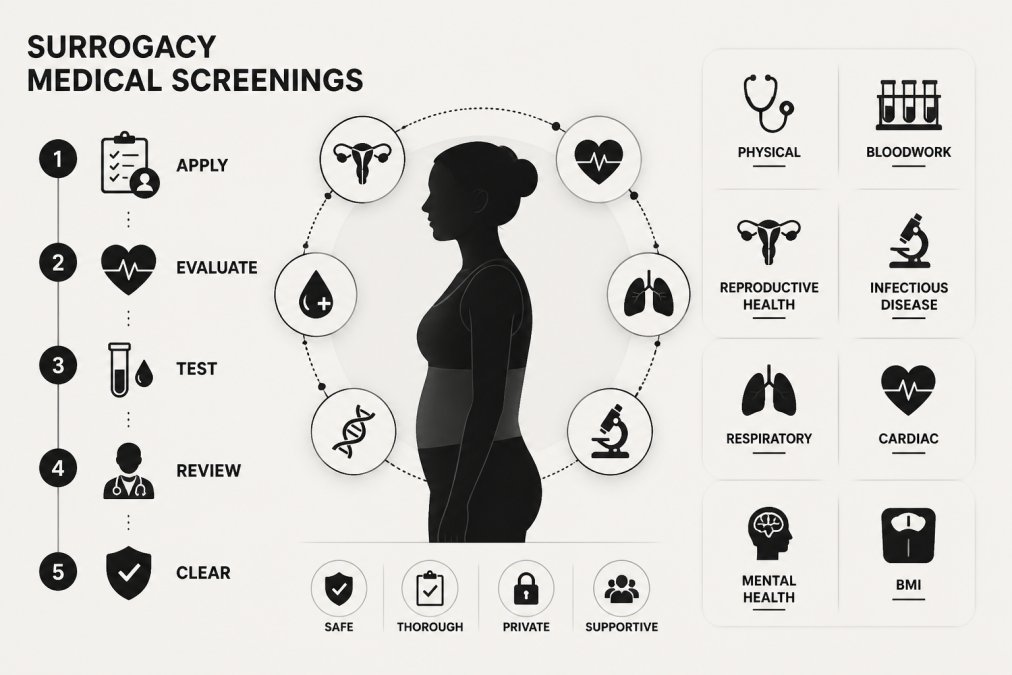
Step 2: Medical Screening requires comprehensive fertility testing. If you are providing genetic material, you’ll undergo testing for infectious diseases and genetic conditions. The fertility clinic also screens the gestational carrier and any donors.
Step 3: Matching connects you with a gestational carrier and potentially a donor if needed. Reputable agencies facilitate communication and allow time for getting to know each other before moving forward.
Step 4: Legal Agreements formalize the arrangement. Contracts outline financial terms, medical protocols, communication expectations, and contingencies. Both parties should have independent legal counsel review agreements.
Step 5: IVF and Embryo Transfer involve hormone stimulation, egg retrieval, fertilization, and transfer of the embryo into the gestational carrier’s uterus. This phase typically lasts 4-6 weeks.
Step 6: Pregnancy Monitoring includes regular ultrasounds, blood work, and emotional support. Most agencies provide weekly check-ins and coordinate between you and the carrier’s medical team.
Step 7: Birth and Documentation is when your child is born and legal parentage is established. In surrogacy-friendly countries, you receive a birth certificate naming you as the parent within days or weeks.
Step 8: Repatriation and Citizenship is the final phase where you work with lawyers in your home country to register the birth, establish legal recognition of parentage, and apply for your child’s passport and citizenship.
Selecting the Right International Surrogacy Agency
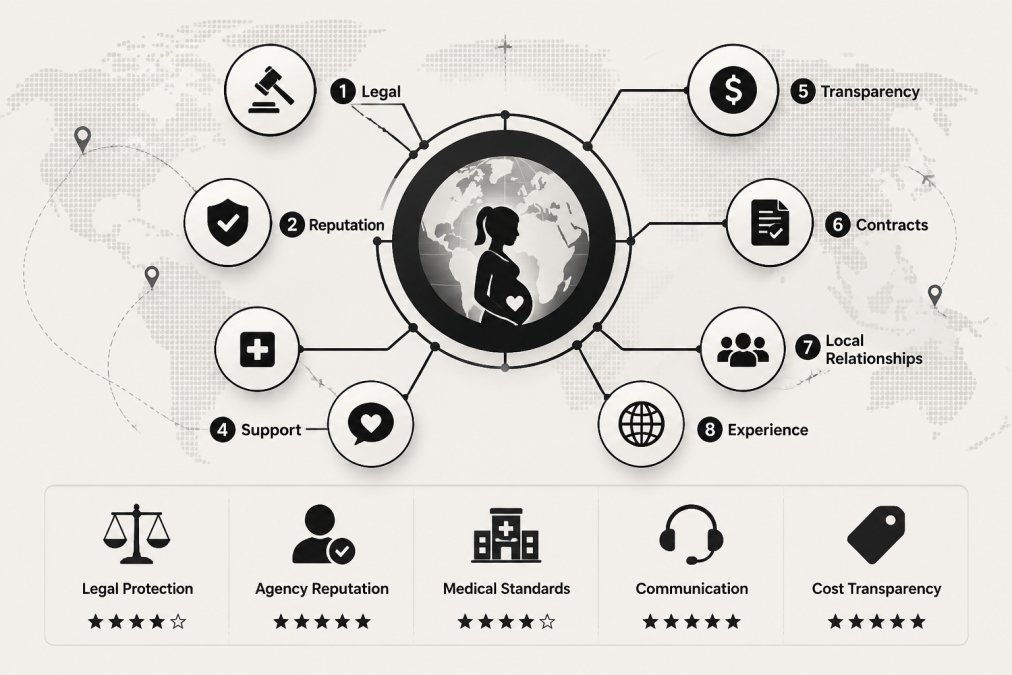
Choosing an agency is the most important decision in your surrogacy journey. The agency coordinates your medical care, legal protection, carrier matching, and emotional support across multiple countries.
Specialization in single-parent cases is essential. Ask directly: Do you have experience with single Intended Parents? What percentage of your clients are single? How do you support single parents differently than couples? Agencies that treat single parents as an afterthought will provide less support.
Transparent pricing protects you from surprise costs. Reputable agencies publish detailed pricing breakdowns and explain what happens if costs exceed estimates.
Medical partnerships matter enormously. The agency should work with accredited fertility clinics that meet international standards. Ask about clinic credentials and live birth rates.
Legal expertise in your specific country is essential. The agency should employ or have relationships with lawyers licensed in both the surrogacy country and your home country.
Emotional support throughout the journey distinguishes excellent agencies from transactional ones. This includes psychological screening, counseling for single parents, regular communication with your carrier, and post-birth support.
Honest communication about risks builds trust. Surrogacy involves medical risks, legal uncertainties, and emotional challenges. Agencies that acknowledge these risks and explain how they mitigate them are more trustworthy.
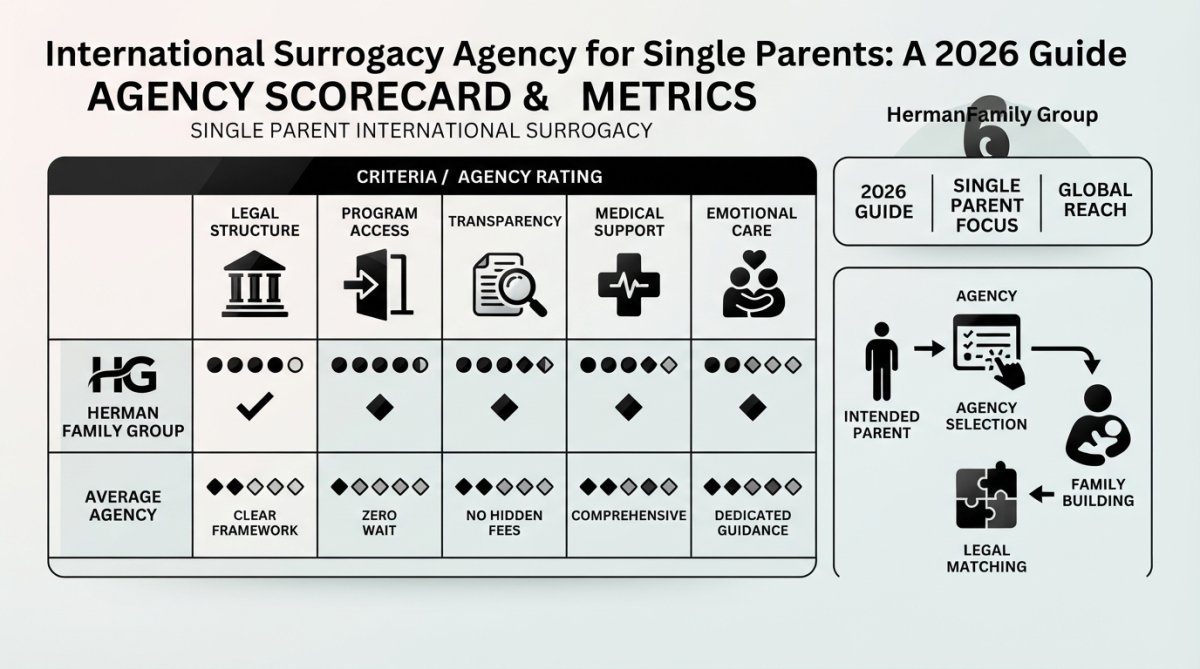
Building a family through international surrogacy as a single parent requires medical expertise, legal precision, emotional intelligence, and coordinated support across borders. Herman Family Group specializes in serving single Intended Parents with transparent pricing, immediate program commencement with zero wait times, and comprehensive legal counsel that ensures your parental rights are recognized in your home country. Our team has guided single parents through successful surrogacy journeys for over a decade. Create My Plan with Herman Family Group today and begin your journey toward building the family you’ve envisioned.
Frequently Asked Questions
Which countries allow international surrogacy for single parents?
Several countries offer legal pathways for single parents pursuing surrogacy, though regulations vary significantly. Countries with established surrogacy programs often have clear legal frameworks that recognize single Intended Parents. When evaluating destinations, consider the legal status of gestational surrogacy, whether single parents are explicitly permitted, and whether the country has reliable systems for establishing parentage and citizenship. Always work with a surrogacy agency experienced in your specific country's laws to ensure compliance and protect your legal rights throughout the process.
What are the legal considerations for single parents pursuing international surrogacy?
Legal aspects of international surrogacy include securing a parentage order in the surrogacy destination, obtaining a birth certificate recognizing you as the parent, and ensuring your home country recognizes the child's citizenship and legal status. Post-birth legal repatriation—the process of bringing your child home with proper documentation—requires coordination between fertility clinics, legal counsel, and government agencies. Single parents must verify that their home country's immigration and family law recognize surrogacy-born children and allow single-parent adoption or recognition. Working with lawyers who specialize in cross-border surrogacy is essential to avoid custody or citizenship complications.
How do I know if an international surrogacy agency is trustworthy?
Evaluate agencies on transparency regarding fees and processes, years of experience working with single parents, comprehensive medical and emotional support from initial planning through birth and beyond, clear communication about legal requirements in both the surrogacy destination and your home country, and honest discussion of potential risks and guarantees. Ask for references from single parents who have completed their journeys, review their partnerships with fertility clinics and legal teams, and confirm they specialize in cross-border surrogacy in legally structured destinations. Trustworthy agencies provide detailed written agreements and explain every step without pressure.
What should I expect regarding medical screening and psychological evaluation?
Medical screening typically includes fertility assessments, general health evaluations, and genetic testing to ensure you can provide healthy genetic material for the surrogacy journey. Psychological evaluation assesses your emotional readiness, support system, and ability to navigate the unique challenges of single parenthood through surrogacy. These assessments protect both you and the gestational carrier by ensuring informed consent and realistic expectations. Reputable agencies conduct thorough psychological vetting for single parents to confirm you understand the emotional, legal, and financial aspects of the journey ahead.
What happens if something goes wrong during pregnancy or after birth?
Comprehensive surrogacy agencies provide medical insurance coverage during pregnancy, support for any complications, and clear protocols for post-birth scenarios. Insurance and medical risk mitigation typically cover prenatal care, delivery, and emergency situations. After birth, agencies should offer legal support for repatriation, assistance with documentation and citizenship, and emotional support as you transition to parenthood. Ask potential agencies about their specific guarantees, what happens if the pregnancy fails, and what support is available if complications arise during or after delivery.
This article was written using GrandRanker