Table of Contents
- Legal Risks and Parental Rights in International Surrogacy
- Medical and Health Risks for Surrogates and Newborns
- Choosing a Safe International Surrogacy Destination
- Documentation and Citizenship: Bringing Your Child Home
- Frequently Asked Questions
Last Updated: August 31, 2026
International Surrogacy Risks: What Intended Parents Must Know (Source: different laws about surrogacy across various jurisdictions)
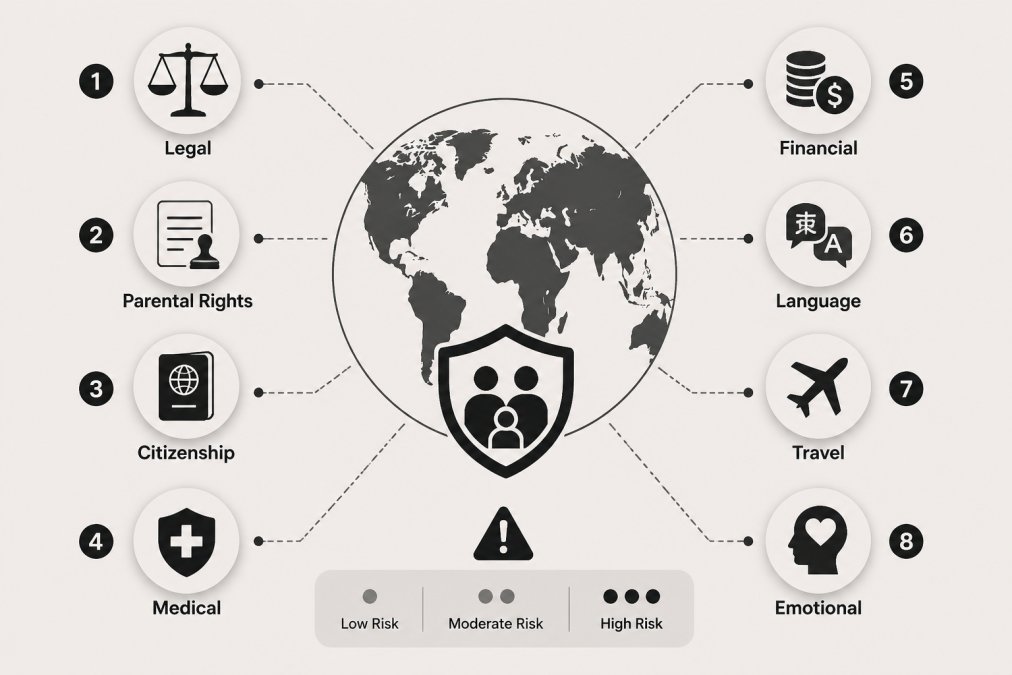
International surrogacy requires navigating legal systems, medical care, and documentation across borders. Understanding these risks helps Intended Parents prepare for the journey ahead.
Legal Risks and Parental Rights in International Surrogacy
The most complex aspect of international surrogacy is establishing legal parentage across different countries. When a child is born in one country but Intended Parents live in another, questions about legal rights become urgent.
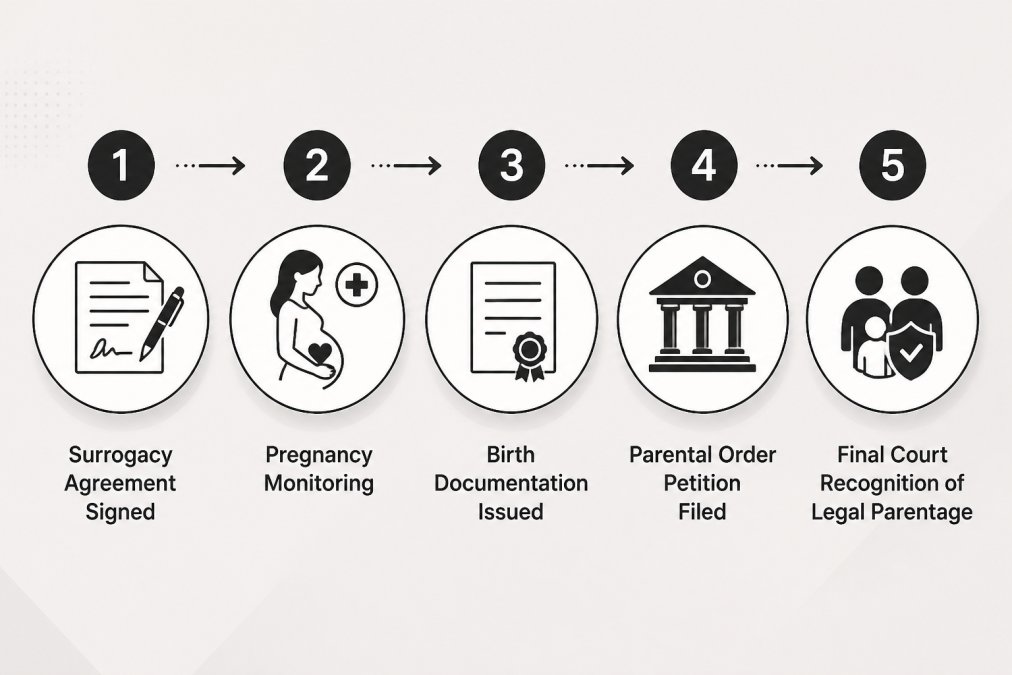
Different countries have vastly different laws about surrogacy. A surrogacy agreement valid in the birth country may not be recognized in your home country. Courts in your home country must recognize the child as yours before you can obtain a passport or bring the child home. This process, called parental order recognition, varies by location and can take weeks or months.
Understanding the legal framework in your destination country before committing is critical to avoiding delays after birth.
Medical and Health Risks for Surrogates and Newborns
Pregnancy and childbirth carry inherent medical risks. When surrogacy occurs internationally, these risks are compounded by distance, language barriers, and differences in medical standards.
Surrogates face the same physical risks as any pregnant person: gestational diabetes, preeclampsia, and complications during labor. Newborns may require immediate medical care in the birth country before traveling.
Intended Parents should ask detailed questions about medical facilities, backup hospitals, and emergency procedures before committing to a program. (Source: Centers for Disease Control and Prevention (CDC) provides comprehensive information on pregnancy risks)
Choosing a Safe International Surrogacy Destination
The choice of destination shapes every risk you’ll face, legal, medical, and logistical.
Countries with clear surrogacy legislation, strong regulatory oversight, and established legal precedent offer Intended Parents better protection. Destinations with transparent practices, independent legal counsel requirements, and surrogate welfare protections reduce exploitation risk significantly.
Some countries have banned surrogacy entirely. Others permit it only under specific conditions. Understanding your destination’s legal requirements before you begin is essential.
Herman Family Group specializes in cross-border surrogacy in legally sound destinations where Intended Parents have clear pathways to legal recognition and surrogates receive proper protections.
Documentation and Citizenship: Bringing Your Child Home
The final phase involves obtaining documents that allow your child to leave the birth country and enter your home country legally.
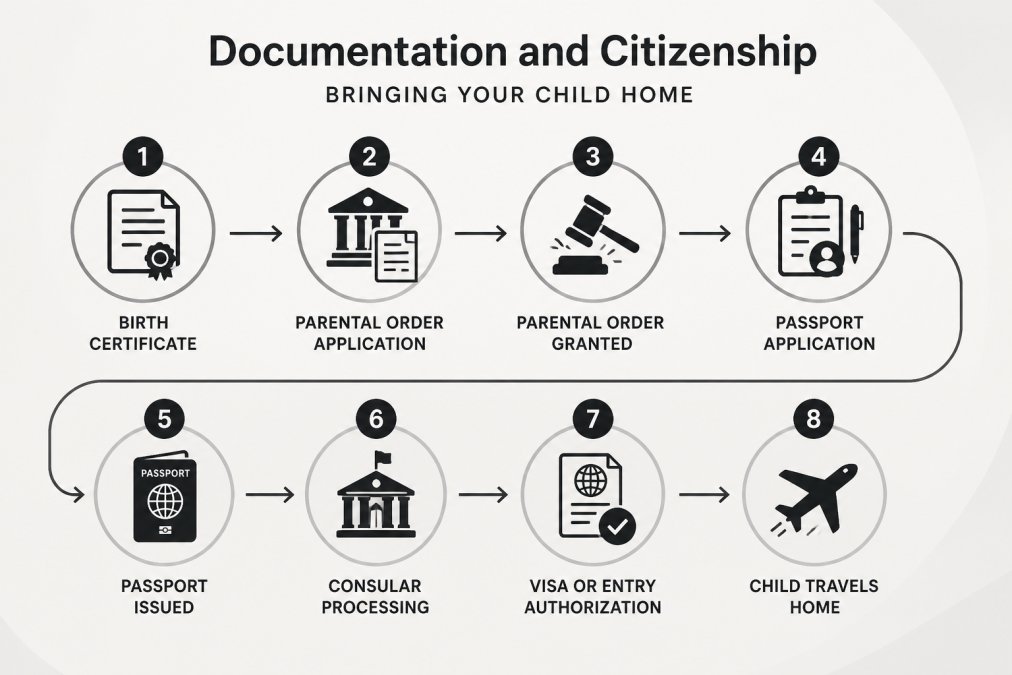
Your child’s birth certificate is issued in the birth country and names the surrogate as the birth mother. To change this legally, you must petition a court in the birth country for a parental order, a legal document that transfers parental rights to you. This order is then presented to your home country’s government to obtain a passport and citizenship documentation.
International surrogacy requires Intended Parents to navigate complex legal systems, manage medical care across borders, and coordinate documentation across multiple jurisdictions. The risks are manageable with proper planning. Herman Family Group works with Intended Parents to structure programs in legally sound destinations, coordinate medical care, and manage the documentation process from start to finish.
Frequently Asked Questions
What are the primary legal risks in international surrogacy?
Legal risks include unclear parental recognition in your home country, disputes over surrogacy agreements, and complications with birth certificates and citizenship by descent. The enforceability of surrogacy contracts varies significantly by jurisdiction. Working with independent legal counsel familiar with both the destination country’s laws and your home country’s immigration requirements is essential to protect your parental rights and ensure smooth documentation.
How do I ensure legal recognition of my child born through international surrogacy?
Ensure your surrogacy agreement includes clear terms about legal parentage and parental orders. Before traveling, verify that your home country recognizes surrogacy-born children and understand the specific documentation required. Work with lawyers in both the destination country and your home country to navigate consular processing and passport applications. Obtain all necessary birth certificates and legal documents before leaving the destination country to avoid delays in establishing citizenship and legal parentage.
What should I look for in a safe international surrogacy destination?
Choose a destination with established legal frameworks protecting both Intended Parents and surrogates, regulated medical facilities meeting international standards, transparent contractual processes, and clear ethical guidelines. The destination should have experienced surrogacy programs with documented track records, independent legal representation for all parties, and proper informed consent protocols. Verify that the country’s laws align with your family structure and that repatriation processes are well-defined before committing to a program.
This article was written using GrandRanker