Table of Contents
- Understanding Surrogacy Medical Support
- The Surrogacy Medical Screening Process
- Navigating Medical Insurance for Surrogacy
- Mental Health Support for Intended Parents
- Key Surrogacy Pregnancy Medical Milestones
- Legal Parentage and Medical Decision-Making
- Building Your Medical Support Team
- Conclusion
Last Updated: August 10, 2026
Understanding Surrogacy Medical Support
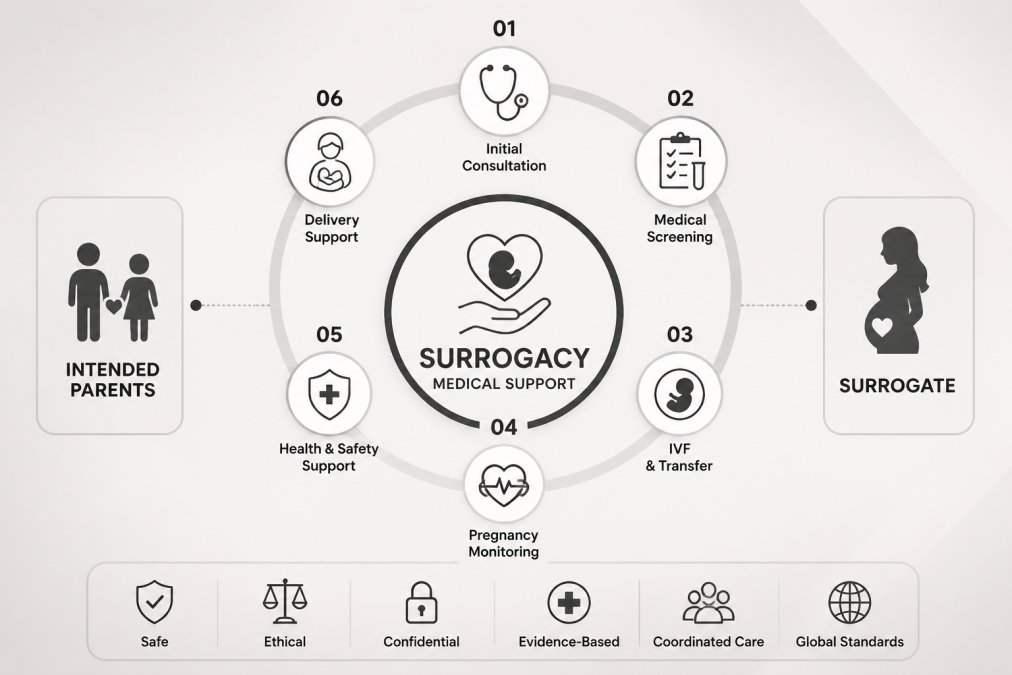
Surrogacy medical support for Intended Parents encompasses clinical care, coordination, and emotional guidance from initial screening through pregnancy monitoring to postpartum recovery. This support bridges the gap between clinical requirements and the real-world logistical and emotional challenges Intended Parents face while building their families through gestational surrogacy.
The surrogacy journey involves multiple medical teams, legal frameworks, and emotional milestones. Intended Parents often navigate unfamiliar medical terminology, coordinate between fertility clinics and surrogate care providers, and manage the psychological complexity of having another person carry their biological child. A well-coordinated medical support system can mean the difference between a smooth pregnancy journey and months of stress, miscommunication, and uncertainty.
Herman Family Group specializes in providing comprehensive surrogacy medical support for Intended Parents, offering personalized coordination from initial planning through birth and beyond. This includes medical screening protocols, insurance navigation, mental health resources, and direct advocacy during pregnancy and delivery.
The Surrogacy Medical Screening Process
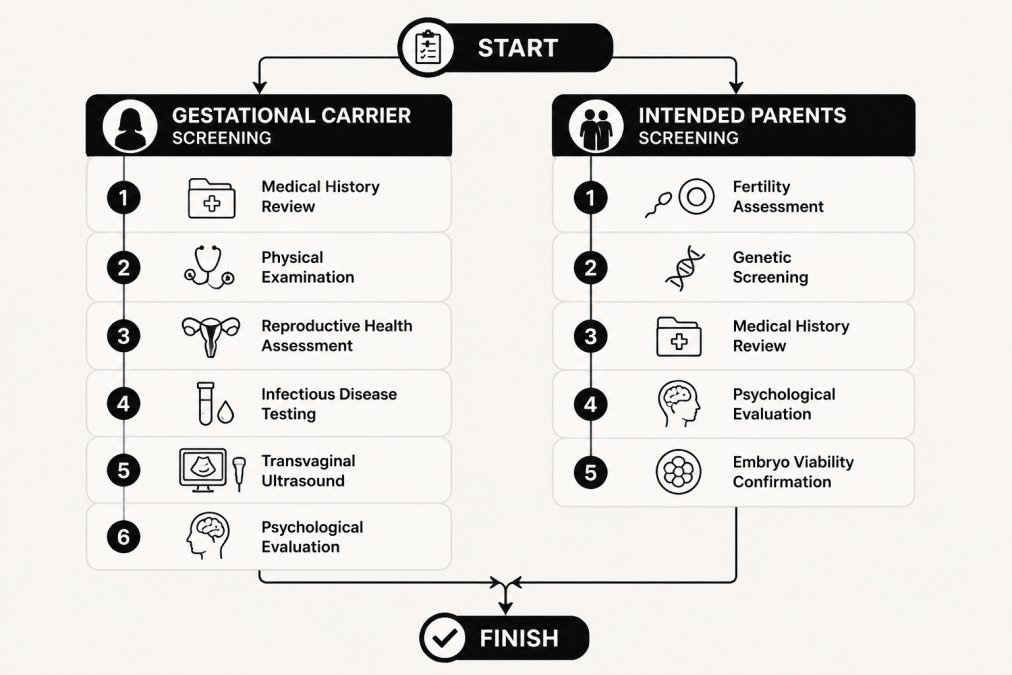
Medical screening is the foundation of safe surrogacy. Both the gestational carrier and Intended Parents undergo comprehensive evaluations to identify potential medical risks, ensure compatibility, and establish baseline health information that will guide care throughout the pregnancy. The screening process typically runs 6-12 weeks and involves parallel evaluations for both parties.
Screening for Gestational Carriers
A gestational carrier must pass rigorous medical screening to ensure she can safely carry a pregnancy. Medical screening includes a complete medical history review, physical examination, reproductive health assessment, infectious disease testing (HIV, hepatitis B and C, syphilis, gonorrhea, chlamydia), blood work, and transvaginal ultrasound to confirm normal uterine anatomy.
Psychological evaluation is equally important. A reproductive psychologist assesses the carrier’s emotional readiness, understanding of the surrogacy process, support system, motivations, and ability to manage the emotional complexity of pregnancy.
Many surrogacy programs require carriers to undergo screening by a reproductive endocrinologist, not just their primary care physician. A reproductive specialist understands the unique demands of surrogacy pregnancy and can identify subtle medical concerns that a general practitioner might miss.
Intended Parents Medical Evaluation
Intended Parents’ medical screening confirms that their health status is compatible with the surrogacy process and establishes baseline information for their medical team. The evaluation includes a comprehensive fertility assessment, genetic screening, medical history review, and psychological evaluation.
For Intended Parents, the fertility assessment is often the most important component. This typically involves hormone testing, imaging studies, and semen analysis if applicable. Genetic screening identifies whether Intended Parents carry genes for recessive genetic disorders. Preimplantation genetic testing (PGT) of embryos before transfer can identify chromosomal abnormalities and single-gene disorders, significantly reducing the risk of miscarriage and genetic disease.
Psychological evaluation assesses readiness for the surrogacy journey, understanding of the process, relationship stability, support systems, and ability to manage the unique emotional demands of having someone else carry their pregnancy.
Navigating Medical Insurance for Surrogacy
Medical insurance for surrogacy is complicated. The gestational carrier’s pregnancy is medically real, but the legal and genetic relationship is not, creating a gray area that many insurance policies don’t clearly address.
The gestational carrier’s insurance typically covers prenatal care, delivery, and postpartum recovery. However, some policies include surrogacy exclusions or require specific documentation. Intended Parents should work with their surrogacy program to verify coverage before matching with a carrier.
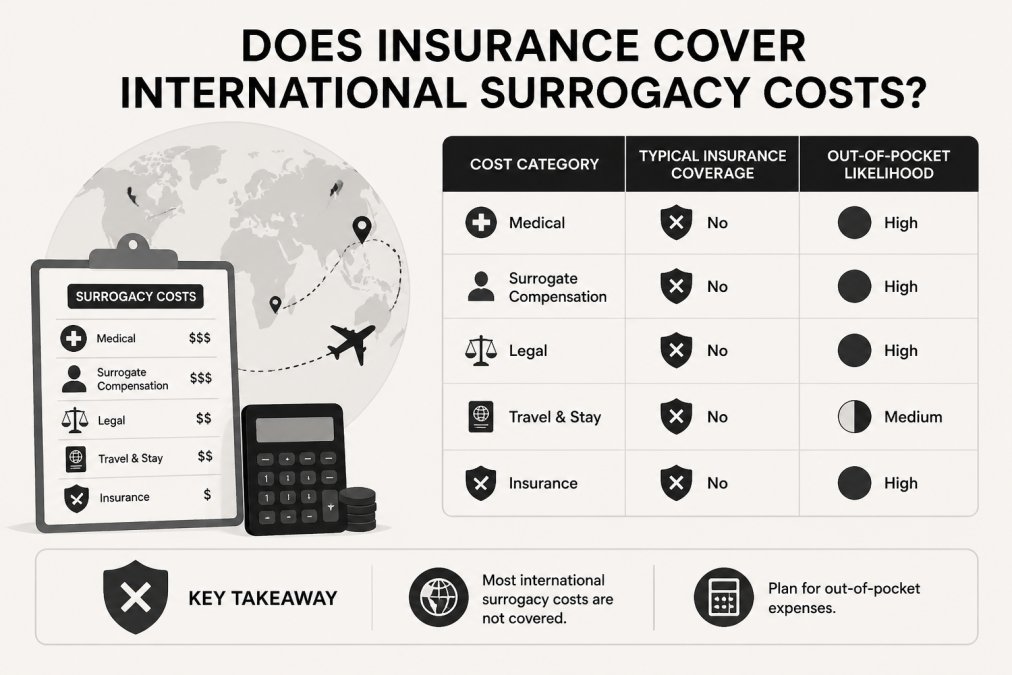
For Intended Parents, insurance coverage is even more complex. Most standard health insurance policies do not cover fertility treatment, embryo creation, or gestational surrogacy services. Many Intended Parents explore supplemental fertility insurance or surrogacy-specific insurance products, though availability varies significantly.
A common mistake is assuming that because the carrier’s insurance covers pregnancy care, all medical costs are covered. In reality, Intended Parents typically bear the cost of fertility treatment, embryo creation, carrier medical screening, and many pregnancy-related expenses not covered by the carrier’s insurance. Understanding your actual out-of-pocket exposure is critical before beginning the process.
Mental Health Support for Intended Parents
The emotional demands of surrogacy are profound and often underestimated. Intended Parents experience joy, anxiety, grief, and anticipation simultaneously, often feeling disconnected from the pregnancy while dependent on the carrier’s willingness to share updates.
Mental health support during surrogacy should begin before matching and continue through postpartum recovery. This might include individual therapy with a therapist experienced in infertility and surrogacy, couples counseling, support groups for Intended Parents, or psychiatric medication management if anxiety or depression emerge.
Many surrogacy programs require or strongly recommend that Intended Parents work with a reproductive psychologist throughout the journey. Support groups specifically for Intended Parents provide community and normalize the emotional experience, reducing isolation and providing practical advice from people who’ve navigated similar challenges.
Mental health support is not a luxury, it’s a medical necessity. Intended Parents who engage with mental health resources early report higher satisfaction with the surrogacy experience and better postpartum adjustment.
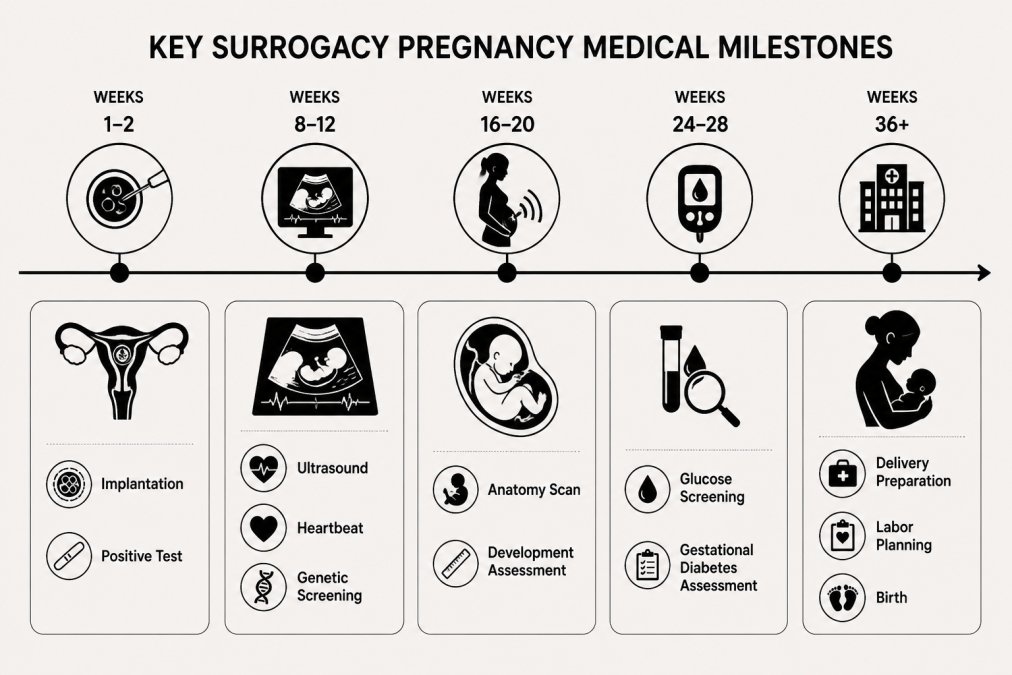
Key Surrogacy Pregnancy Medical Milestones
The surrogacy pregnancy follows the same medical timeline as any pregnancy, but with additional coordination and emotional intensity for Intended Parents.
Weeks 1-2 after embryo transfer focus on implantation. Pregnancy tests typically become positive 10-14 days after transfer. Weeks 8-12 bring the first ultrasound confirmation of pregnancy and fetal heartbeat, with genetic screening typically occurring around 10-12 weeks. Weeks 16-20 include the anatomy scan, a detailed ultrasound that confirms fetal development and screens for structural abnormalities. Weeks 24-28 involve glucose screening for gestational diabetes. Weeks 36+ focus on delivery preparation, with finalization of the birth plan and discussion of pain management options.
Embryo Transfer and Early Pregnancy
Embryo transfer is a simple outpatient procedure lasting 10-15 minutes. The two-week wait after transfer is emotionally intense, and many programs recommend that Intended Parents have mental health support readily available during this phase.
Early pregnancy in surrogacy requires careful coordination between the carrier’s obstetric care provider and the fertility clinic. Progesterone supplementation is typically continued through the first trimester to support the pregnancy. Regular communication between all medical providers is essential to prevent gaps or conflicting guidance.
Prenatal Care and Monitoring
Standard prenatal care continues throughout the pregnancy. The carrier attends regular obstetric appointments, undergoes routine screening tests, and receives education about pregnancy health and safety. Intended Parents should be included in these appointments when possible, though the carrier’s preferences and comfort level matter.
Prenatal monitoring typically includes routine ultrasounds, blood work, and blood pressure monitoring. If any complications emerge, additional monitoring and specialist consultation may be needed. In most cases, the gestational carrier makes medical decisions for herself and the pregnancy, though Intended Parents should have clear agreements about major decisions and should be informed of significant developments.
Birth Plan and Postpartum Recovery
The birth plan should be finalized by 36 weeks and should address Intended Parents’ preferences: whether they’ll be present during labor, who will cut the cord, whether they want immediate skin-to-skin contact with the newborn, and how the carrier’s postpartum recovery will be supported.
Postpartum recovery for the gestational carrier is medically significant. The carrier will experience lochia, uterine involution, hormonal shifts, and potential complications. Many carriers experience postpartum mood changes, even when they have clear agreements about relinquishing parental rights. Mental health support for the carrier during postpartum recovery is important.
Legal Parentage and Medical Decision-Making
Medical decision-making authority during surrogacy must be clearly established before pregnancy begins. In most cases, the gestational carrier retains medical decision-making authority for her own health and the pregnancy. However, Intended Parents should have documented agreements about major decisions and should be informed of significant developments.
Legal parentage is established through the surrogacy agreement and, after birth, through court processes that vary by state and country. Before the baby is born, Intended Parents should work with a reproductive law attorney to understand what legal documents are needed in the jurisdiction where the baby will be born, whether a pre-birth order is possible or necessary, what happens if the carrier dies or becomes incapacitated during pregnancy, and how citizenship, birth certificates, and vital records will be handled.
A critical gap many Intended Parents encounter is confusion about who makes medical decisions if the carrier becomes incapacitated during pregnancy. Without clear legal documentation, Intended Parents may have no authority to make decisions about the carrier’s care or the pregnancy’s continuation. This must be addressed in the surrogacy agreement and in medical advance directives.
Building Your Medical Support Team
A strong medical support team for Intended Parents includes:
Reproductive Endocrinologist: Manages fertility assessment, embryo creation, and early pregnancy confirmation.
Obstetric Care Provider (for the carrier): Provides prenatal care and manages labor and delivery. This provider should understand surrogacy and be comfortable working with Intended Parents.
Reproductive Psychologist or Clinical Counselor: Provides mental health support throughout the journey and assesses readiness.
Reproductive Law Attorney: Handles legal agreements, pre-birth orders, and postpartum legal processes. This attorney must specialize in reproductive law.
Case Coordinator or Surrogacy Program Manager: Acts as the central point of contact, coordinates between all medical providers, and manages communication.
Support Group or Community: Connects Intended Parents with others who understand the journey.
Herman Family Group coordinates these team members on behalf of Intended Parents, ensuring clear communication, aligned expectations, and comprehensive support throughout the pregnancy and postpartum period.
The surrogacy journey is medically complex, emotionally intense, and legally intricate. Intended Parents deserve comprehensive medical support that addresses all three dimensions: clinical care, emotional guidance, and logistical coordination.
Building your medical support team early, clarifying roles and decision-making authority, and engaging with mental health resources from the beginning transforms the surrogacy experience from overwhelming to manageable.
The American Society for Reproductive Medicine (ASRM) provides evidence-based guidelines for surrogacy medical care. The American Psychological Association offers resources for finding mental health professionals experienced in infertility and surrogacy. The National Infertility Association (RESOLVE) connects Intended Parents with support communities and educational resources throughout the surrogacy journey.
Herman Family Group specializes in coordinating all aspects of surrogacy medical support for Intended Parents, from initial medical screening through postpartum recovery. We provide transparent, comprehensive support that addresses the medical, emotional, and logistical realities of building your family through surrogacy. Create My Plan and let us show you how personalized medical coordination transforms the surrogacy journey.
Frequently Asked Questions
What medical screenings are required for the gestational carrier and Intended Parents?
Both the gestational carrier and Intended Parents undergo comprehensive medical screening. Carriers receive physical exams, infectious disease testing, psychological evaluation, and reproductive history review. Intended Parents typically need fertility assessment, genetic screening, medical history evaluation, and psychological counseling. A reproductive endocrinologist oversees these screenings to ensure safety and viability for the surrogacy journey. Screening protocols vary based on age, medical history, and specific circumstances.
What mental health support is available for Intended Parents during the surrogacy process?
Mental health support is essential throughout the surrogacy journey. Clinical counseling with therapists experienced in assisted reproductive technology helps Intended Parents process emotions, manage expectations, and navigate relationship changes. Many surrogacy programs require psychological evaluation before starting treatment. Support groups specifically for Intended Parents provide community and shared experiences. Some agencies offer crisis management support for unexpected pregnancy complications or emotional challenges. Postpartum emotional care is equally important, as Intended Parents may experience adjustment challenges or unexpected feelings after birth.
How do Intended Parents stay involved in medical decisions during the pregnancy?
Intended Parents play an active role in medical decision-making throughout the surrogacy pregnancy. You receive updates on prenatal appointments, ultrasound results, and any health changes. A reproductive endocrinologist and obstetric team keep you informed about each medical milestone. Legal agreements typically outline which decisions require Intended Parent consent, such as fetal testing, delivery method, or management of complications. Regular communication with your gestational carrier, medical team, and surrogacy coordinator ensures you're informed and involved at every stage while respecting the carrier's medical autonomy and comfort.
This article was written using GrandRanker