Table of Contents
- Best Surrogacy Support for Single Parents: What You Need
- Surrogacy Agencies for Single Parents
- Emotional Support for Single Intended Parents
- Legal Aspects of Single Parent Surrogacy
Best Surrogacy Support for Single Parents: 2026 Guide
Last Updated: July 24, 2026
Finding the best surrogacy support for single parents requires understanding what makes an agency truly responsive to your unique needs. Single Intended Parents face distinct challenges, from legal recognition in their home country to emotional support during a deeply personal journey. This guide breaks down the agencies, emotional resources, and legal frameworks that work for solo parents building families through surrogacy.
Best Surrogacy Support for Single Parents: What You Need
The surrogacy process for single parents differs significantly from that for couples, yet many agencies treat it as an afterthought. Single Intended Parents now represent a meaningful portion of those pursuing gestational surrogacy, and the best agencies have built dedicated support systems around this reality.
What separates exceptional surrogacy support from adequate support comes down to three factors: legal expertise specific to your jurisdiction, access to mental health professionals who understand solo parenthood, and transparent communication throughout the entire journey from matching through post-birth legal documentation.
Single Intended Parents need agencies that don’t treat your situation as “complicated”, they treat it as standard. The best surrogacy support acknowledges that solo parents often carry higher emotional weight during the process, manage all decision-making alone, and face unique legal hurdles when returning home with a newborn.
Support Element | Why It Matters | Red Flag If Missing |
|---|---|---|
Dedicated case manager | One point of contact reduces stress and ensures continuity | Agency assigns different people to your file |
Mental health access | Therapists familiar with solo parenthood and surrogacy | Generic counseling or none at all |
Legal preparation | Pre-birth orders, citizenship planning, guardianship | Agency says “talk to a lawyer yourself” |
Surrogate screening | Vetted matches who understand single-parent families | Minimal surrogate vetting process |
Post-birth coordination | Support securing birth certificates and legal parentage | Process ends at delivery |
Emotional Support for Single Intended Parents
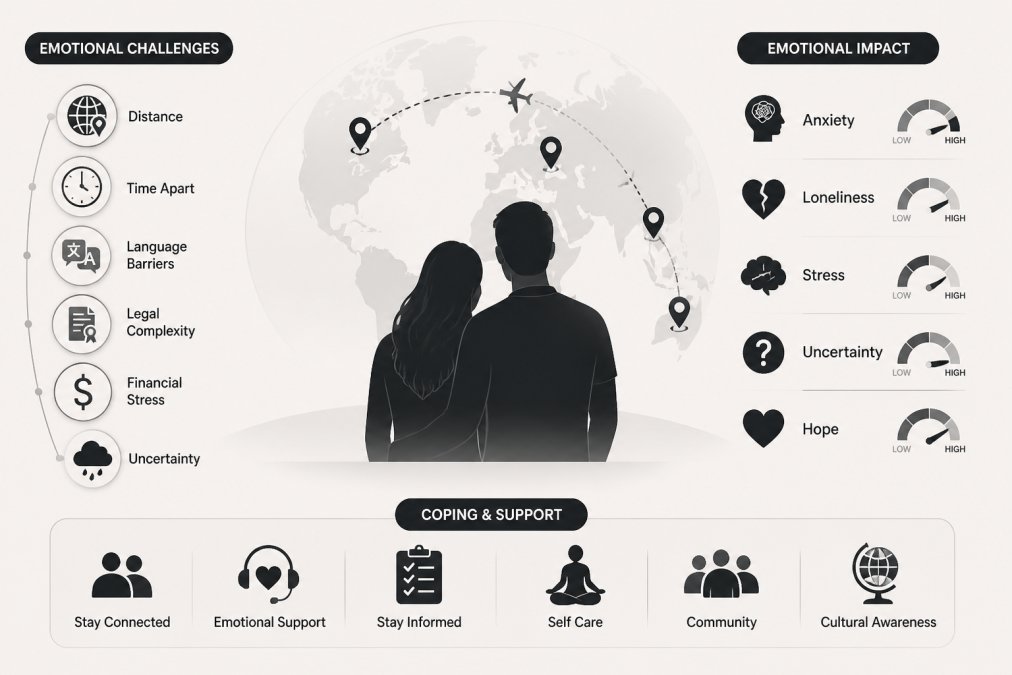
The surrogacy journey is medically demanding, legally complex, and emotionally intense. Single Intended Parents navigate this alone, without a partner to share decision-making, financial stress, or the vulnerability of the process.
Access to mental health professionals trained in fertility, surrogacy, and solo parenthood is essential. A therapist unfamiliar with surrogacy may inadvertently pathologize normal anxieties or miss the specific support you need. When your agency coordinates mental health access, you avoid the burden of finding someone yourself while managing a complex medical process.
Support groups for single parents pursuing surrogacy provide peer connection that therapy alone cannot. Hearing from others in your exact situation normalizes your experience and provides practical wisdom from people who’ve walked the path.
Post-birth emotional support is often overlooked. Becoming a solo parent through surrogacy adds layers: navigating single parenthood without a co-parent, managing the unique relationship with your surrogate after birth, and processing complex emotions around biological connection and family formation. Agencies that provide post-birth counseling recognize this transition as critical.
Legal Aspects of Single Parent Surrogacy
Legal parentage is the foundation of your family. Without clear legal recognition, you cannot access healthcare decisions, inheritance rights, citizenship for your child, or basic protections.
Surrogacy laws vary dramatically by location. Some jurisdictions recognize pre-birth orders that establish you as the legal parent before the baby is born. Others require post-birth adoption or guardianship proceedings. Some countries refuse to recognize single-parent surrogacy entirely, creating challenges for solo parents trying to bring children home.
The best surrogacy support includes legal counsel familiar with both the surrogacy destination country AND your home country. This prevents the scenario where you’re legally recognized as the parent in the surrogacy country but your home country refuses to recognize that status.
Single parents need explicit legal preparation around:
- Pre-birth orders: Establishing parentage before delivery
- Birth certificate documentation: Ensuring your name appears as the parent
- Citizenship and immigration: Getting your child recognized as your legal child for passport and visa purposes
- Guardianship and inheritance: Protecting your child if something happens to you
Legal clarity protects both the child and the Intended Parent. Ambiguous legal status creates ongoing vulnerability.
Agencies specializing in single-parent surrogacy maintain relationships with fertility law attorneys in key jurisdictions. This coordination prevents the expensive, time-consuming process of finding a lawyer yourself while managing a complex medical timeline.
Building a family through surrogacy as a single parent is entirely achievable with the right support structure. Single Intended Parents deserve agencies that treat solo parenthood as standard, not exceptional. Start with a personalized surrogacy consultation to explore how an agency can support your specific journey.
Frequently Asked Questions
Can a single person pursue surrogacy, and what surrogacy support is available?
Yes, single individuals can pursue gestational surrogacy in many jurisdictions. The best surrogacy support for single parents includes specialized agencies with experience serving solo Intended Parents, mental health counseling, legal guidance for establishing parental rights, and peer support communities. Many agencies now offer dedicated case managers familiar with the unique emotional and logistical needs of single Intended Parents throughout the entire surrogacy journey.
What emotional support resources should single Intended Parents prioritize?
Single Intended Parents benefit most from therapists experienced in fertility and family-building, support groups specifically for solo parents pursuing surrogacy, and agencies that provide ongoing mental health coordination. Many agencies connect Intended Parents with vetted mental health professionals who understand the psychological complexities of surrogacy. Peer communities and online forums also provide valuable connection with others on similar journeys, reducing isolation and providing practical guidance.
What are the main legal aspects of single parent surrogacy I should understand?
Key legal considerations include establishing parental rights before and after birth, understanding surrogacy contract terms, navigating state or country-specific surrogacy laws, and securing pre-birth or post-birth orders. Single Intended Parents should work with fertility lawyers who specialize in surrogacy law. Legal support should cover birth certificate documentation, guardianship provisions, and any citizenship or immigration implications, especially for international surrogacy arrangements.
How long does the single parent surrogacy process typically take?
The single parent surrogacy process generally spans 18-24 months from initial consultation to birth. This includes medical screening and psychological evaluation (2-3 months), surrogate matching (3-6 months), legal preparation and contract negotiation (1-2 months), IVF and embryo transfer (2-3 months), and pregnancy (9 months). Agencies offering zero wait times for program commencement can accelerate matching, but the overall timeline depends on individual circumstances, medical factors, and jurisdictional requirements.
Are there financial assistance programs specifically for single parents pursuing surrogacy?
Yes, several non-profit organizations offer grants and subsidized services for single Intended Parents. Programs like the BabyQuest Foundation provide fertility grants ranging from $2,000 to $16,000 and accept applications from single individuals. Specialized programs also exist for specific groups, such as LGBTQ+ single parents. Additionally, some surrogacy agencies offer payment plans, discounts, or refund programs to help manage costs. Research eligibility requirements, as they vary by program and location.
This article was written using GrandRanker