Table of Contents
- Understanding Surrogacy Options for Single Intended Fathers
- The Role of Egg Donation for Single Fathers
- Legal Aspects of Single Father Surrogacy
- Choosing a Surrogacy Agency for Single Men
Surrogacy Options for Single Intended Fathers: A 2026 Guide
Last Updated: July 27, 2026
Single men pursuing parenthood through surrogacy face unique legal, medical, and emotional challenges. This guide covers gestational surrogacy, egg donation, carrier selection, and legal frameworks that protect your parental rights. At Herman Family Group, we’ve guided hundreds of single Intended Parents through this journey.
Understanding Gestational Surrogacy for Single Men
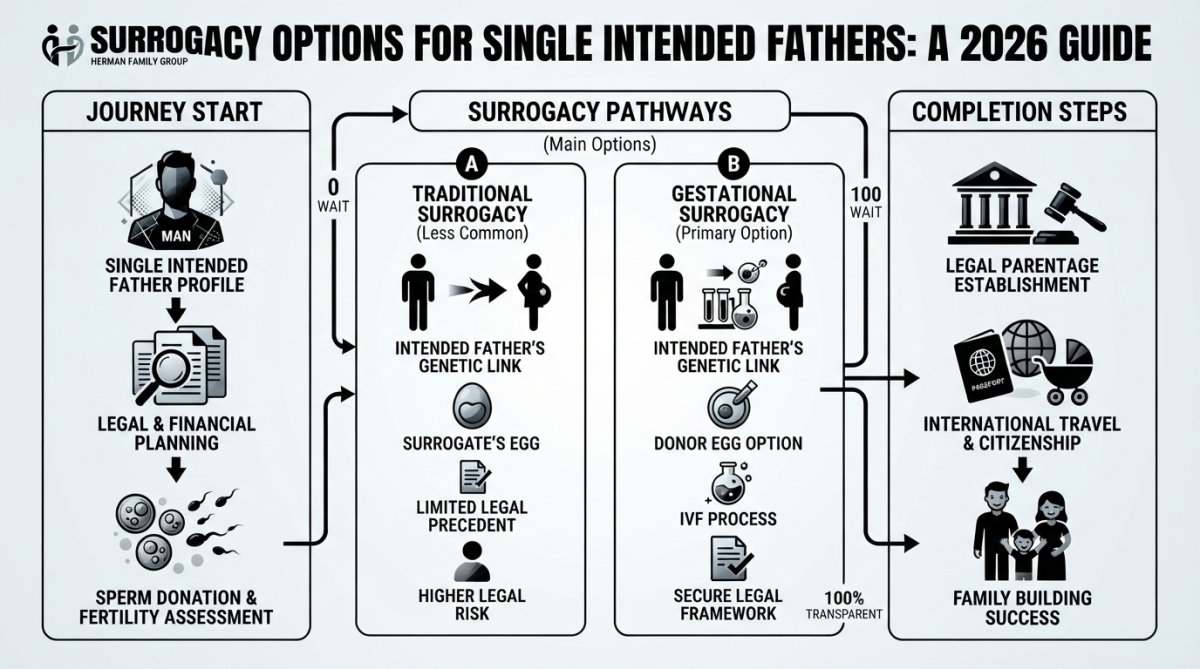
Gestational surrogacy is the most common path for single Intended Fathers seeking biological children. A gestational carrier carries an embryo created using your genetic material and an egg donor’s eggs. The carrier has no genetic connection to the child, she carries the pregnancy and birth only.
This distinction matters legally and emotionally. Because the gestational carrier contributes no DNA, establishing your legal parentage is more straightforward. The process typically unfolds over 12-18 months from initial agency contact to birth.
The Role of Egg Donation for Single Fathers
You cannot create a biological child without an egg donor. The egg donor provides the female genetic material; you provide the sperm. Egg donors are typically women aged 21-32 who undergo hormone stimulation to produce multiple eggs.
Single Intended Fathers can work with known donors (a friend or family member) or anonymous donors matched by the fertility clinic. Known donors simplify logistics but can create emotional complications. Anonymous donors offer privacy and professional matching.
Legal Aspects of Single Father Surrogacy
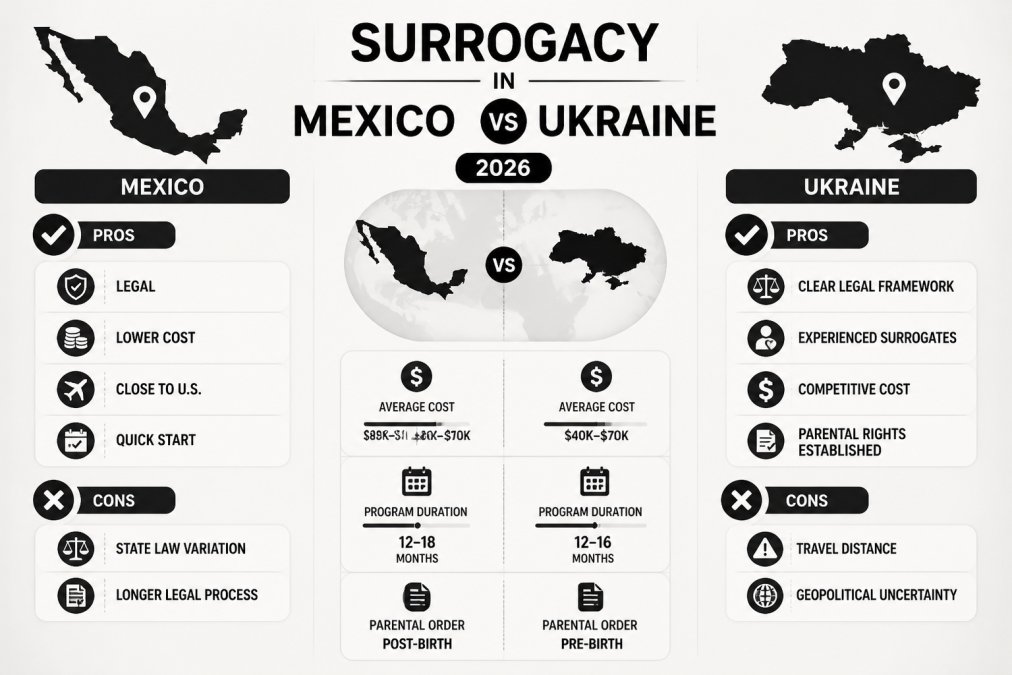
Laws governing surrogacy, parental recognition, and international travel vary dramatically by country and state. In the United States, some states recognize pre-birth orders that establish you as the legal parent before the child is born. Other states require post-birth adoption proceedings, even when you’re the genetic father.
International surrogacy adds complexity. If you use a gestational carrier in Ukraine, Georgia, or Mexico, you must navigate that country’s laws, then your home country’s immigration and citizenship rules. Some nations recognize surrogacy contracts; others do not.
Before selecting an agency or carrier, consult a family law attorney licensed in both the surrogacy destination and your home country. This prevents catastrophic legal problems later.
Legal Consideration | Impact on Single Fathers | Action Required |
|---|---|---|
Pre-birth order availability | Establishes parentage before birth; simplifies birth certificate | Confirm state/country allows pre-birth orders |
Citizenship recognition | Determines if child automatically gains your nationality | Consult immigration attorney early |
Surrogacy contract enforceability | Protects your rights if carrier refuses to surrender child | Use agency-provided legal templates; have lawyer review |
Post-birth adoption | May be required even as genetic father | Budget time and legal fees for post-birth proceedings |
Choosing a Surrogacy Agency for Single Men
A reputable surrogacy agency handles medical coordination, carrier matching, legal documentation, and emotional support. Look for agencies that explicitly state experience with single Intended Fathers. Ask for references from other single fathers who’ve completed their journeys.
Transparency on fees and timeline is non-negotiable. Reputable agencies publish detailed fee breakdowns and explain what’s included at each stage.
Herman Family Group specializes in cross-border surrogacy in legally structured destinations, with zero wait times for program commencement and comprehensive medical and emotional support from initial planning through birth and beyond. Our mission-driven team delivers personalized plans for diverse family structures, including single parents. We provide immediate program start with transparent pricing and expert coordination to ensure a safe, legal, and successful journey.
The Surrogacy Journey: Timeline and Process
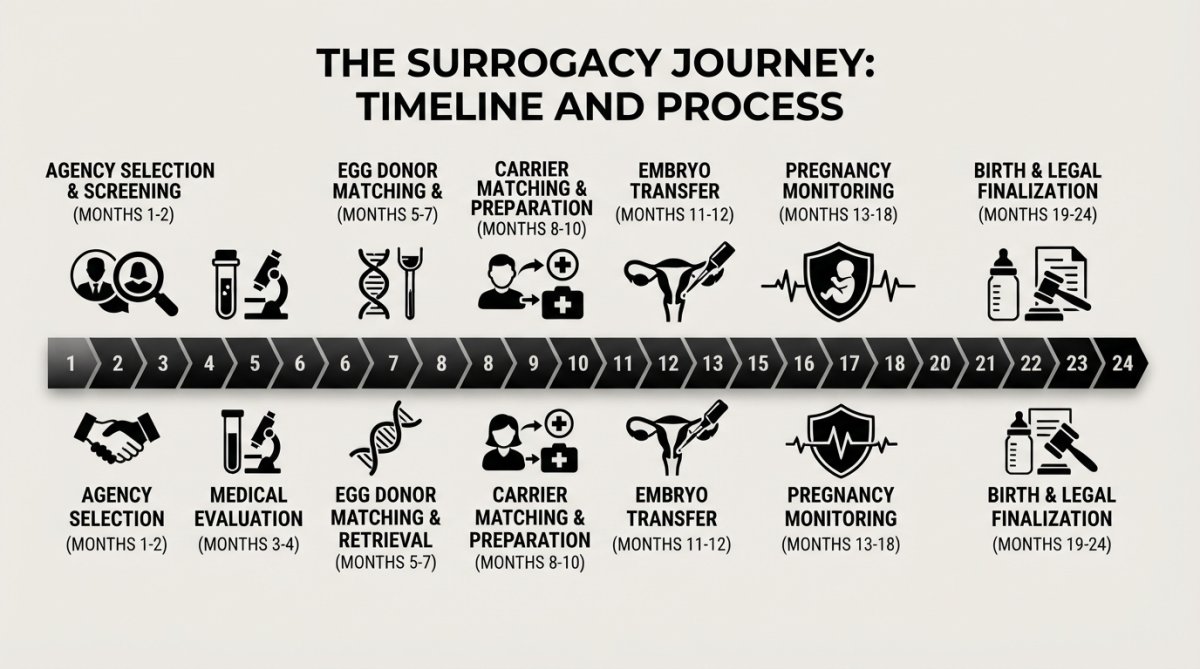
The path from initial consultation to holding your child typically spans 18-24 months.
Months 1-2: Agency Selection and Initial Screening You’ll complete an application, background check, and initial consultation. The agency assesses your readiness and discusses your preferences for egg donor and carrier matching.
Months 2-3: Medical Screening and Psychological Evaluation You’ll undergo a fertility evaluation to confirm sperm quality and health. A psychologist will assess your emotional readiness for parenthood and your ability to handle the unique stressors of surrogacy.
Months 3-4: Egg Donor Matching and Retrieval You’ll review profiles of available egg donors and select one. Once matched, the donor begins hormone stimulation. Her eggs are retrieved and fertilized with your sperm. Embryos develop for 5-6 days, and the strongest are selected for transfer.
Months 4-5: Gestational Carrier Matching and Preparation The surrogacy agency matches you with a gestational carrier. You’ll review her profile, medical history, and background. Legal contracts are finalized.
Months 5-6: Embryo Transfer The gestational carrier’s uterus is prepared with hormone medication. A single embryo is transferred into her uterus via a thin catheter, a 10-minute outpatient procedure. A pregnancy test follows 10-14 days later.
Months 6-15: Pregnancy Monitoring The carrier is monitored with regular ultrasounds and bloodwork. You receive updates and can attend some appointments.
Months 15-16: Birth and Legal Finalization The carrier delivers your child. In states with pre-birth orders, you’re listed as the parent on the birth certificate immediately. In other jurisdictions, you’ll complete post-birth adoption or parentage establishment.
Mental Health Support Networks
Surrogacy is an emotional marathon. Single Intended Fathers report feelings of isolation, anxiety during pregnancy monitoring, and unexpected emotions after birth. These feelings are normal and deserve professional support.
Many surrogacy agencies offer counseling or connect you with therapists experienced in surrogacy. Some agencies have peer support groups where single Intended Fathers share experiences.
Beginning therapy before matching with a carrier helps you build coping skills. After birth, continued support helps you integrate parenthood and process the complex relationship with your child’s gestational carrier.
Financial Planning and Insurance
Surrogacy requires comprehensive financial planning. Create a detailed budget that includes fertility clinic fees, egg donor compensation, gestational carrier compensation, surrogacy agency fees, legal services in both jurisdictions, travel costs if pursuing international surrogacy, and health insurance for the gestational carrier.
Insurance is critical. Confirm the gestational carrier’s health insurance covers pregnancy and delivery. If her insurance excludes surrogacy, the agency or Intended Father typically pays for her coverage.
Surrogacy vs. Adoption for Single Fathers
Single Intended Fathers often consider both surrogacy and adoption. Adoption offers a faster route to parenthood for some single men and may be less expensive. However, single men face bias in adoption systems; some agencies prefer married couples.
Surrogacy guarantees a biological connection to your child and a known medical history. You control the pregnancy from conception. However, surrogacy takes longer and requires navigating complex legal systems.
The choice depends on your priorities: biological connection, timeline, budget, and emotional readiness for either path.
Single fatherhood through surrogacy is achievable with expert guidance, emotional resilience, and legal protection. The right surrogacy agency makes the difference between a smooth journey and months of frustration. Herman Family Group specializes in supporting single Intended Parents through every phase, from initial legal consultation to post-birth emotional support. We offer immediate program start, transparent pricing, and expert coordination to ensure your path to parenthood is safe, legal, and successful. Create My Plan and let our team guide you forward.
Frequently Asked Questions
Can a single man have a biological child through surrogacy in the United States?
Yes, single intended fathers can pursue gestational surrogacy in the United States. You will use your own genetic material combined with an egg donor's egg, creating a biological connection to your child. The gestational carrier (surrogate) carries the pregnancy. Legal parentage is established through surrogacy contracts and pre-birth orders in most states. Requirements vary by state, so consulting with a surrogacy-experienced attorney in your state is essential to understand your specific legal pathway.
What is the surrogacy process for single intended fathers?
The process typically includes: medical and psychological evaluations, matching with an egg donor and gestational carrier through a surrogacy agency, creating a surrogacy contract, embryo creation via IVF using your sperm and the donor's egg, embryo transfer to the gestational carrier, pregnancy monitoring, birth, and securing parental rights through pre-birth orders or post-birth adoption procedures. Timeline and specific steps depend on whether you pursue domestic or international surrogacy and your state's laws.
What are the legal considerations for single intended fathers pursuing surrogacy?
Key legal considerations include: establishing parental rights before or immediately after birth through pre-birth orders or adoption; understanding your state's surrogacy laws (some states are more supportive than others); securing a surrogacy contract that protects all parties; obtaining accurate birth certificates listing you as the father; and if pursuing international surrogacy, addressing citizenship and immigration requirements. Work with attorneys experienced in family law and surrogacy in your jurisdiction to navigate these complexities and ensure your parental rights are protected.
Do single men need an egg donor for surrogacy?
Yes, single intended fathers pursuing gestational surrogacy require an egg donor because surrogacy requires both genetic material (your sperm) and a gestational carrier. The egg donor provides the egg, which is fertilized with your sperm via IVF to create an embryo. This gives you a biological connection to your child. Egg donors undergo medical and psychological screening. You can work with an agency to find an egg donor, or in some cases, use someone you know personally, though agency-matched donors are more common and legally structured.
This article was written using GrandRanker